
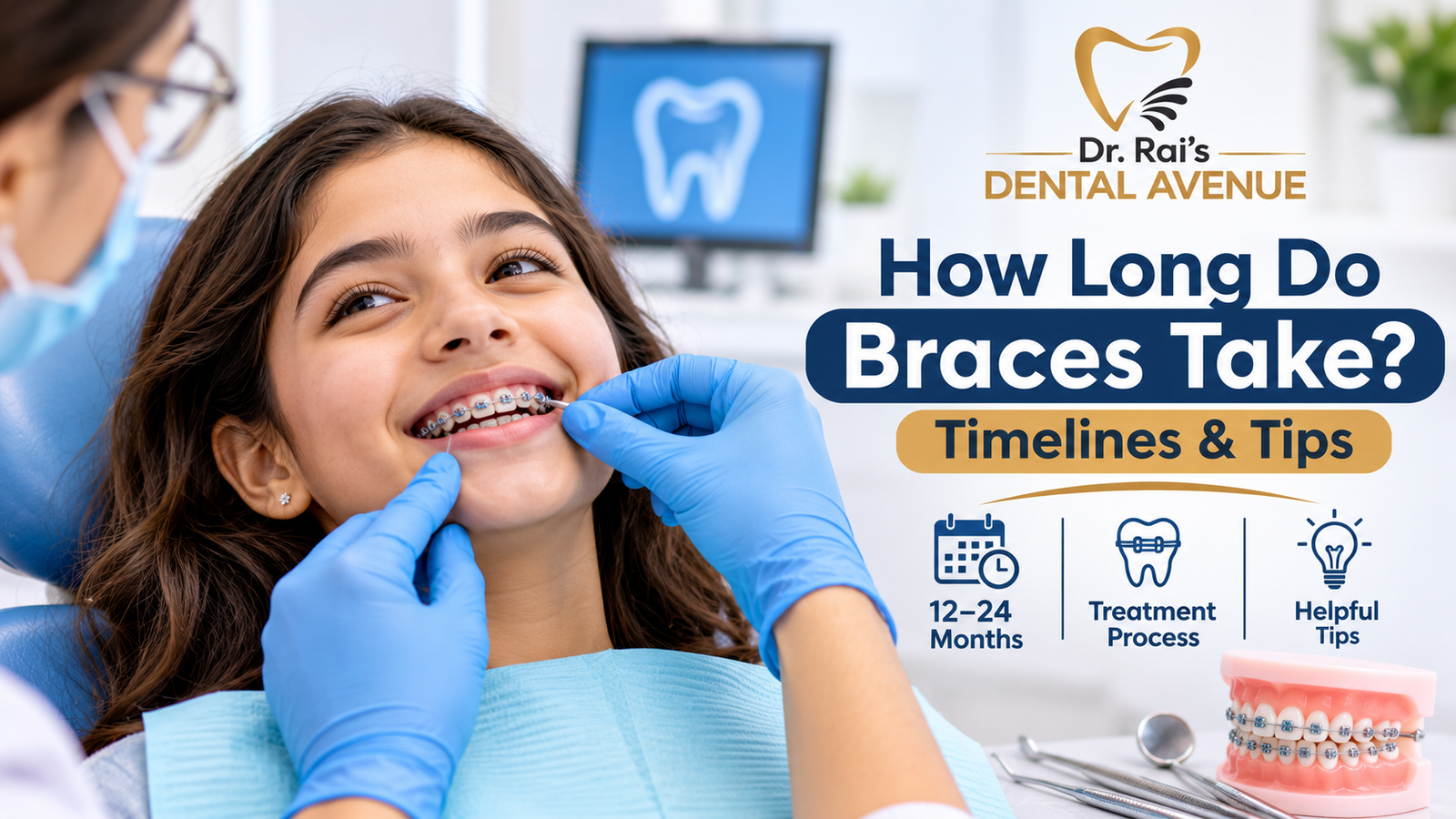
Getting braces is an important step towards achieving a straighter and healthier smile. However, one of the most common questions patients ask before starting orthodontic treatment is: How long do braces take? Most people wear braces for approximately 12 to 24 months, although treatment may take less time for minor alignment issues or longer for complex dental problems. Your treatment duration depends on the position of your teeth, bite alignment, oral health and individual orthodontic needs.
Getting braces is an important step towards achieving a straighter and healthier smile. However, one of the most common questions patients ask before starting orthodontic treatment is: How long do braces take?
Most people wear braces for approximately 12 to 24 months, although treatment may take less time for minor alignment issues or longer for complex dental problems. Your treatment duration depends on the position of your teeth, bite alignment, oral health and individual orthodontic needs.
Understanding the braces treatment timeline can help you plan ahead, follow your orthodontist's instructions and feel more confident throughout your orthodontic journey.
How Long Do Braces Take to Straighten Teeth?
Braces typically take 12 to 24 months to straighten teeth, but the exact duration varies from person to person. Some patients notice visible improvements within the first few months, while others need more time to achieve their desired results.
Here is a general estimate of how long braces treatment may take:
Dental Condition | Estimated Treatment Time |
|---|---|
Minor crowding or spacing | 6–12 months in selected cases |
Mild to moderate misalignment | 12–18 months |
Moderate crowding or spacing | 12–24 months |
Complex bite problems | 18–36 months or longer |
These timelines are general estimates, not guarantees. Your orthodontist can provide a more accurate treatment plan after examining your teeth and bite.
Braces Treatment Timeline: What to Expect
Knowing what happens at each stage can help you prepare for your orthodontic treatment.
1. Initial Consultation
Your orthodontist will examine your teeth and bite to determine whether braces are suitable for you. They may recommend dental X-rays, photographs or digital scans before preparing your treatment plan.
During this appointment, you can discuss your concerns, available treatment options and expected treatment duration.
You will also receive an estimated timeline based on your dental condition.
2. Getting Your Braces
Once your teeth and gums are ready, your orthodontist will fit your braces.
The procedure involves attaching brackets to your teeth and connecting them with orthodontic wires that apply controlled pressure to gradually move your teeth.
You may experience some soreness or tenderness during the first few days, but this usually improves as your mouth adjusts.
Your orthodontist will also explain how to care for your braces and which foods to avoid.
3. Regular Orthodontic Adjustments
You will need regular orthodontic appointments to monitor your progress and make necessary adjustments.
During this stage, your teeth gradually move into their planned positions. Your orthodontist may adjust the wires, replace components or recommend additional appliances depending on your treatment requirements.
The frequency of appointments depends on your treatment plan. Attending appointments regularly and following your orthodontist's instructions can help avoid unnecessary delays.
4. Braces Removal
Once your teeth and bite have reached the planned positions, your orthodontist will determine when your braces can be removed.
Although your teeth may look straight before treatment is complete, your orthodontist will also check your bite and overall alignment before finishing treatment.
After removing the braces, your teeth will be cleaned and your orthodontist will discuss the next stage of treatment.
5. Wearing Retainers
After your braces are removed, you will need retainers to help maintain your results.
Retainers prevent your teeth from shifting back towards their original positions. Your orthodontist will recommend the appropriate type of retainer and wearing schedule based on your treatment results.
Following your retainer instructions is an important part of maintaining your new smile.
How Long Do Different Types of Braces Take?
The treatment duration depends more on your individual dental needs than on the type of braces alone.
Metal Braces
Metal braces are commonly used to correct a wide range of orthodontic problems, including crowding, spacing and bite alignment issues.
Treatment often lasts around 12 to 24 months, although complex cases may take longer.
Ceramic Braces
Ceramic braces work similarly to traditional metal braces but use tooth-coloured or less noticeable brackets.
Their treatment duration depends on the complexity of your dental condition and the corrections required.
Lingual Braces
Lingual braces are placed behind the teeth, making them less visible from the front.
They require a specialised treatment approach and may take longer in some cases, depending on the alignment problem.
Clear Aligners
Clear aligners use a series of removable transparent trays to gradually move teeth into their planned positions.
They may be suitable for certain alignment problems. Treatment duration varies depending on the complexity of the case and how consistently patients wear their aligners.
Read our detailed guide to clear aligner treatment to understand more about this orthodontic option.
These timeframes are general estimates. Your orthodontist will recommend the most appropriate option based on your treatment goals and dental condition.
How Long Do Braces Take for Adults and Teenagers?
Braces treatment duration can vary between adults and teenagers depending on their dental development, oral health and the complexity of their orthodontic problems.
Braces for Adults
Adults commonly wear braces for approximately 12 to 24 months, although complex cases may take longer.
The duration depends on the amount of correction required, gum health, supporting bone structures and individual treatment response.
If you are considering braces as an adult, your orthodontist can explain the available options and provide a realistic treatment timeline.
Braces for Teenagers
Many teenagers also wear braces for approximately 12 to 24 months.
Treatment duration depends on the severity of misalignment, bite problems and how consistently the teenager follows the orthodontist's instructions.
Regular appointments and good oral hygiene are important for keeping treatment on track.
What Can Affect Your Braces Treatment Time?
Several factors can influence how long you need to wear braces.
Severity of Misalignment
Minor spacing or crowding may require less time than complex alignment or bite problems.
Age and Dental Health
Your orthodontist will consider your dental development, gum health and supporting structures when planning treatment.
Missed Appointments
Delaying orthodontic visits can interrupt treatment and postpone necessary adjustments.
Broken Brackets or Wires
Damaged braces may need repair before treatment can progress as planned. Contact your orthodontist if a bracket becomes loose or a wire breaks.
Following Orthodontic Instructions
Wearing prescribed rubber bands or aligners as directed helps support planned tooth movement. Not following instructions may delay your treatment.
Your orthodontist will monitor your progress and let you know if your estimated completion date needs to change.
Tips to Keep Your Braces Treatment on Track
Although you cannot guarantee faster results, following your treatment plan can help prevent avoidable delays.
1. Attend Your Orthodontic Appointments
Regular check-ups allow your orthodontist to monitor progress and make adjustments when needed.
2. Follow Your Orthodontist's Instructions
Wear rubber bands or other prescribed appliances as directed. Never attempt to speed up treatment by applying extra force.
3. Maintain Good Oral Hygiene
Brush carefully around brackets and wires, floss daily and follow your dentist's recommendations.
4. Avoid Foods That Can Damage Braces
Hard candies, sticky sweets, ice and very chewy foods can damage brackets or wires. Choose braces-friendly foods to reduce the risk of damage.
5. Report Problems Promptly
Contact your orthodontist if a bracket becomes loose, a wire breaks or you experience an ongoing problem with your braces.
6. Be Patient With the Process
Every smile is different. Focus on achieving a healthy, stable result rather than comparing your progress with someone else's.
How Long Do You Need to Wear Retainers After Braces?
After braces are removed, wearing retainers is essential to help prevent teeth from shifting back towards their original positions.
The right retention plan varies from person to person and depends on factors such as the complexity of the original alignment problem and the risk of relapse.
Your orthodontist may recommend full-time retainer wear initially, followed by nighttime wear. Some patients may require longer-term or ongoing retainer use.
There is no single wearing schedule that is suitable for everyone.
Follow your orthodontist's instructions carefully to maintain your results. Retainers are an important part of orthodontic treatment, even after your braces have been removed.
Frequently Asked Questions About Braces Treatment
1. Can braces straighten teeth in six months?
Some patients with minor alignment problems may be suitable for shorter treatment. However, six months may not be enough to correct more complex alignment or bite issues. Your orthodontist can determine whether a shorter treatment plan is appropriate.
2. How long do braces take to work for adults?
Adults commonly need 12 to 24 months of treatment, although the duration depends on the complexity of the case, dental health and individual response to orthodontic treatment.
3. Do braces hurt?
You may experience mild soreness or tenderness after braces are fitted or adjusted. This usually improves within a few days as your mouth adjusts. Contact your orthodontist if you experience severe or persistent pain.
4. Can I make my braces work faster?
Following your orthodontist's instructions, attending appointments and maintaining good oral hygiene can help keep treatment on schedule. Do not try unapproved methods to accelerate tooth movement, as these may damage your teeth.
5. What happens if I miss an orthodontic appointment?
Missing an appointment may delay adjustments and affect your treatment schedule. Contact your orthodontist to reschedule as soon as possible.
6. Will my teeth move after braces are removed?
Yes, teeth can shift after orthodontic treatment. Wearing retainers as prescribed helps maintain their new positions and reduces the risk of relapse.
Final Thoughts
Braces usually take 12 to 24 months, but your treatment duration will depend on your individual dental needs and the complexity of your case.
Attending regular appointments, following your orthodontist's instructions and maintaining good oral hygiene can help keep your treatment on track.
Once your braces are removed, wearing retainers as recommended is essential for maintaining your results.
If you are considering braces, consult a qualified orthodontist to understand your treatment options and receive an estimated timeline based on your dental condition.
Planning to get braces? Contact Dr. Rai's Dental Avenue to discuss your orthodontic concerns and explore suitable treatment options.
Contact Dr. Rai's Dental Avenue
Medical Disclaimer: This article is intended for general educational purposes and does not replace professional dental advice. Treatment duration and retention requirements vary from person to person. Consult a qualified orthodontist for recommendations tailored to your needs.
Book An Appointment