
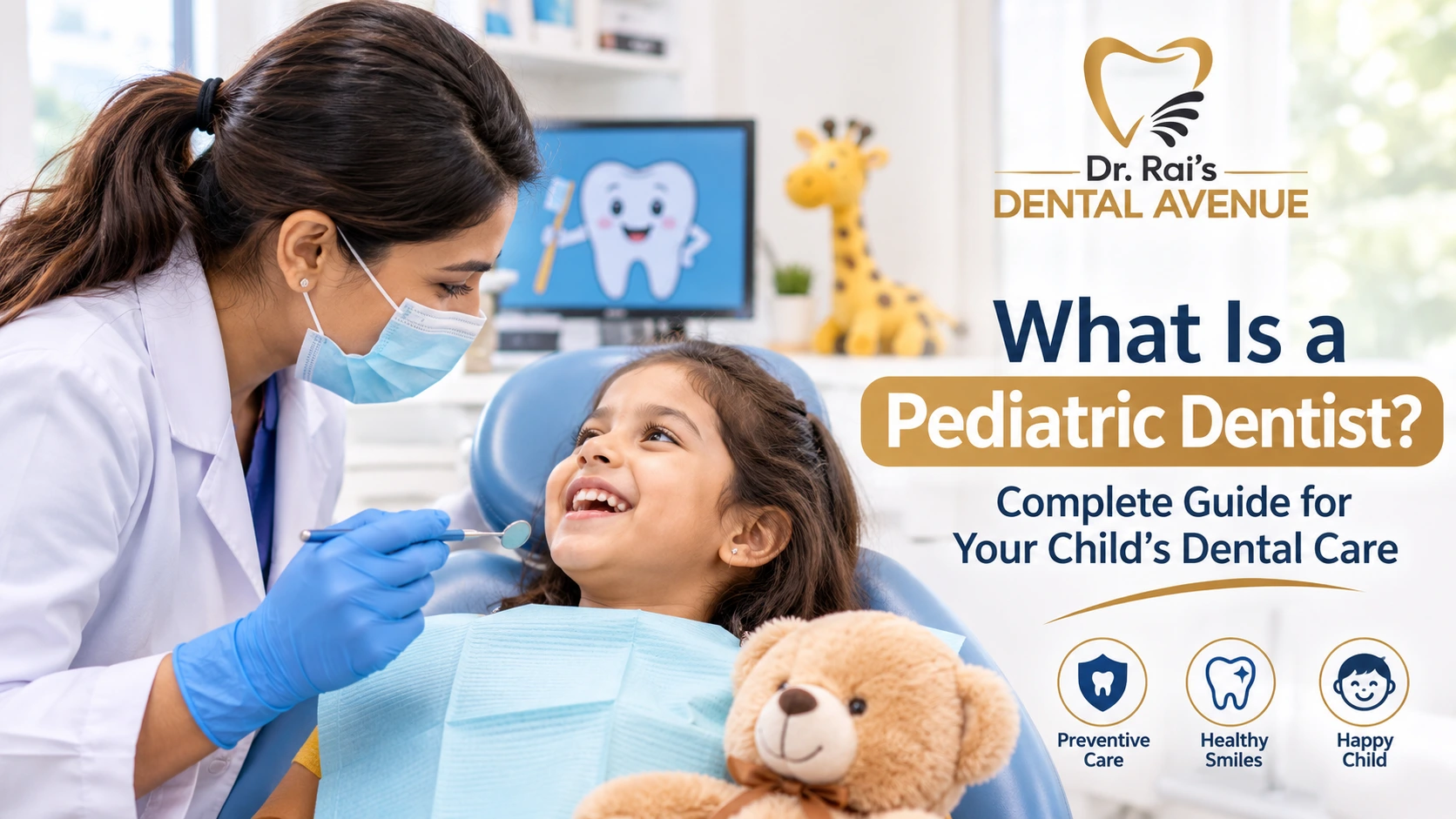
Children's oral health plays an important role in their overall growth and development. From the appearance of the first baby tooth to the development of permanent teeth, regular dental care helps protect a child's smile and prevent future dental problems.
Children's oral health plays an important role in their overall growth and development. From the appearance of the first baby tooth to the development of permanent teeth, regular dental care helps protect a child's smile and prevent future dental problems.
A pediatric dentist is a dental specialist who focuses on the oral health of babies, children, teenagers and children with special healthcare needs. Unlike a general dentist, a pediatric dentist receives additional training in children's dental development, behaviour management, preventive care and the treatment of dental problems that can occur as a child's teeth and jaws grow.
As a dentist, I often tell parents that children's dental care should begin much earlier than they expect. Healthy baby teeth are important for eating, speaking, maintaining space for permanent teeth and supporting normal oral development.
In this guide, we will explain what a pediatric dentist does, when your child should visit one and how parents can protect their children's oral health.
What Does a Pediatric Dentist Do?
A pediatric dentist provides preventive and treatment-focused dental care throughout childhood. Their goal is not only to treat cavities or dental pain but also to help children develop healthy oral hygiene habits that can continue into adulthood.
Depending on a child's age and dental needs, a pediatric dentist may provide:
Regular dental examinations and oral health assessments
Professional teeth cleaning
Fluoride treatments to help prevent tooth decay
Dental sealants to protect cavity-prone areas
Fillings for cavities
Treatment of damaged or infected teeth
Dental care after an injury or accident
Monitoring of tooth and jaw development
Guidance for thumb sucking and pacifier habits
Advice about brushing, flossing and diet
Assessment of developing bite or alignment problems
Dental care for children with special healthcare needs
Pediatric dentists also work with parents to identify factors that may increase a child's risk of tooth decay and provide age-appropriate advice about oral hygiene and nutrition.
How Is a Pediatric Dentist Different From a General Dentist?
Both general dentists and pediatric dentists are trained to diagnose and treat dental problems. The main difference is that pediatric dentists receive additional specialized education focused specifically on infants, children and adolescents.
According to the American Academy of Pediatric Dentistry (AAPD), pediatric dentistry is an age-defined specialty providing preventive and therapeutic oral healthcare from infancy through adolescence, including for children with special healthcare needs.
In the United States, pediatric dental specialists complete dental school followed by at least 24 months of advanced pediatric dentistry training.
This additional training includes understanding children's growth and development, managing dental anxiety and behaviour, and adapting treatment for children who may have developmental, medical, sensory or behavioural needs.
Parents can learn more about pediatric dentistry and its scope of care through the American Academy of Pediatric Dentistry.
When Should a Child First Visit a Pediatric Dentist?
Parents do not need to wait until their child develops a cavity or experiences tooth pain before scheduling a dental appointment.
The American Academy of Pediatric Dentistry recommends establishing a dental home within six months of the first tooth appearing and no later than 12 months of age.
Early dental visits allow the dentist to:
Assess the child's risk of tooth decay
Examine oral and dental development
Identify early signs of dental problems
Guide parents on proper brushing and oral hygiene
Provide advice about feeding habits and nutrition
Discuss thumb sucking and pacifier habits
An early visit can also make dental appointments feel normal rather than something a child only experiences when they are in pain.
Read the AAPD recommendations for a child's first dental visit for additional guidance.
Why Are Baby Teeth Important?
One common misconception among parents is that baby teeth do not need much attention because they eventually fall out. However, primary teeth play several important roles in a child's development.
Baby teeth help children:
Chew food properly and maintain healthy eating habits
Develop clear speech and pronunciation
Maintain space for permanent teeth
Support normal jaw and oral development
Build confidence when smiling and speaking
Some primary teeth remain in the mouth until around 12 or 13 years of age.
Untreated tooth decay in baby teeth can cause pain, infection and difficulty eating. It may also affect a child's overall dental experience and make future treatment more challenging.
Maintaining healthy baby teeth is therefore an important part of childhood dental care.
How Can Parents Protect Their Child's Teeth?
Good dental health begins at home. Parents play an important role in helping children develop healthy oral hygiene habits from an early age.
Here are some practical ways to protect your child's teeth:
1. Encourage Regular Brushing
Help children brush their teeth using an age-appropriate toothbrush and an appropriate amount of fluoride toothpaste. Young children may need parental supervision and assistance.
2. Make Flossing a Daily Habit
Once your child's teeth begin touching, ask your dentist about introducing flossing to clean areas that a toothbrush cannot easily reach.
3. Maintain a Balanced Diet
Encourage a balanced diet and limit frequent exposure to sugary foods and drinks, which can increase the risk of tooth decay.
4. Schedule Regular Dental Checkups
Regular dental examinations help identify dental problems before they become more complicated. Your dentist can recommend an appropriate checkup schedule based on your child's oral health.
5. Protect Teeth During Sports
Children who participate in sports may benefit from appropriately fitted mouthguards to help reduce the risk of dental injuries.
6. Monitor Thumb Sucking and Pacifier Habits
Prolonged thumb sucking or pacifier use may affect developing teeth and jaws. A pediatric dentist can guide parents on managing these habits.
When Should You See a Pediatric Dentist?
Parents should consider scheduling a dental appointment if their child experiences any of the following problems:
Tooth pain or sensitivity
A visible cavity or dark spot on a tooth
Swollen or bleeding gums
A chipped, broken or injured tooth
Difficulty chewing
Persistent bad breath
Problems with tooth eruption
A noticeable bite or jaw concern
You should also seek prompt dental care after a significant dental injury.
Early professional evaluation can help identify the cause of the problem and determine the appropriate treatment.
Frequently Asked Questions About Pediatric Dentists
1. What age should a child see a pediatric dentist?
A child should ideally have their first dental visit when the first tooth appears or by 12 months of age, whichever comes first. Early visits help identify potential dental problems and allow parents to receive guidance on oral hygiene and nutrition.
2. Can a pediatric dentist treat cavities in baby teeth?
Yes. Pediatric dentists routinely diagnose and treat cavities in baby teeth. Depending on the severity, treatment may include fluoride treatment, a filling or other appropriate procedures. Treating decay early can help prevent pain and infection.
3. What is the difference between a pediatric dentist and a regular dentist?
A pediatric dentist has additional specialized training focused on the dental care of infants, children and teenagers. They are trained to manage children's developing teeth and jaws and make dental treatment more comfortable for young patients.
4. How often should children visit a pediatric dentist?
Many children benefit from dental checkups approximately every six months. However, the recommended frequency can vary depending on a child's oral health, risk of cavities, dental development and individual needs.
5. Does a pediatric dentist treat dental emergencies?
Yes. Pediatric dentists can evaluate and treat many children's dental emergencies, including tooth injuries, broken or knocked-out teeth, severe toothache, dental infections and swelling. If a child experiences a significant dental injury, parents should seek professional dental care promptly.
Give Your Child a Healthy Smile With Proper Dental Care
A child's dental health requires attention from the appearance of the first baby tooth through the development of permanent teeth. Regular dental examinations, proper oral hygiene and early preventive care can help children maintain healthy teeth as they grow.
Choosing a qualified dental professional who understands children's dental needs can make a positive difference in their oral health journey.
At Dr. Rai's Dental Avenue, parents can explore appropriate dental care options for their children's oral health needs.
Have questions about your child's dental health? Contact our dental team to discuss your child's dental concerns and understand the next steps.
Contact Dr. Rai's Dental Avenue
Disclaimer: This article is intended for general educational purposes and does not replace professional dental examination, diagnosis or treatment advice. Every child's dental needs are different.
Book An Appointment