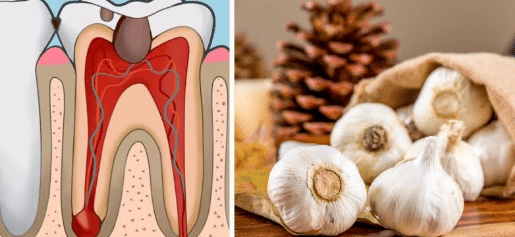
Persistent tooth pain, sensitivity to hot or cold foods, or discomfort while chewing can sometimes indicate a problem inside the tooth. If the infection has reached the dental pulp, root canal treatment in Thane may be recommended to save the natural tooth.

At Dr Rai Dental Avenue, patients can get a thorough dental evaluation to identify the cause of tooth pain and understand whether root canal treatment, re-root canal treatment, or another dental procedure is required. With modern dental techniques and appropriate local anaesthesia, RCT can also be performed comfortably.

What Is Root Canal Treatment?

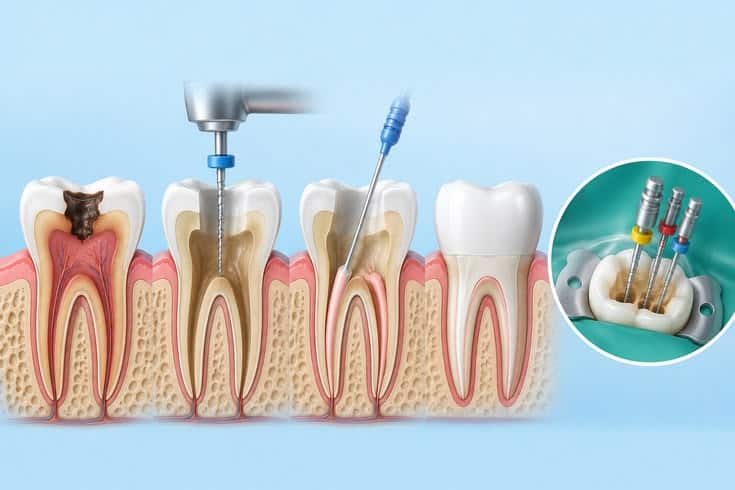
Root canal treatment (RCT) is a dental procedure designed to treat infection, inflammation, or damage within the inner part of a tooth. During the procedure, the infected or inflamed pulp is carefully removed, and the root canals are thoroughly cleaned, disinfected, and sealed to prevent further infection.

A comfortable root canal experience depends not only on pain-control methods but also on the skill, precision, and experience of the dentist performing the treatment. Dentists may use different pain-management techniques based on the patient’s needs, the condition of the tooth, and the complexity of the procedure. These approaches are customized to help patients remain as comfortable and relaxed as possible throughout treatment.

The primary goal of RCT is to preserve the natural tooth, control infection, relieve discomfort, and restore normal dental function. Depending on the amount of tooth structure remaining and its condition, a dental crown may be recommended after treatment to strengthen and protect the tooth from further damage.
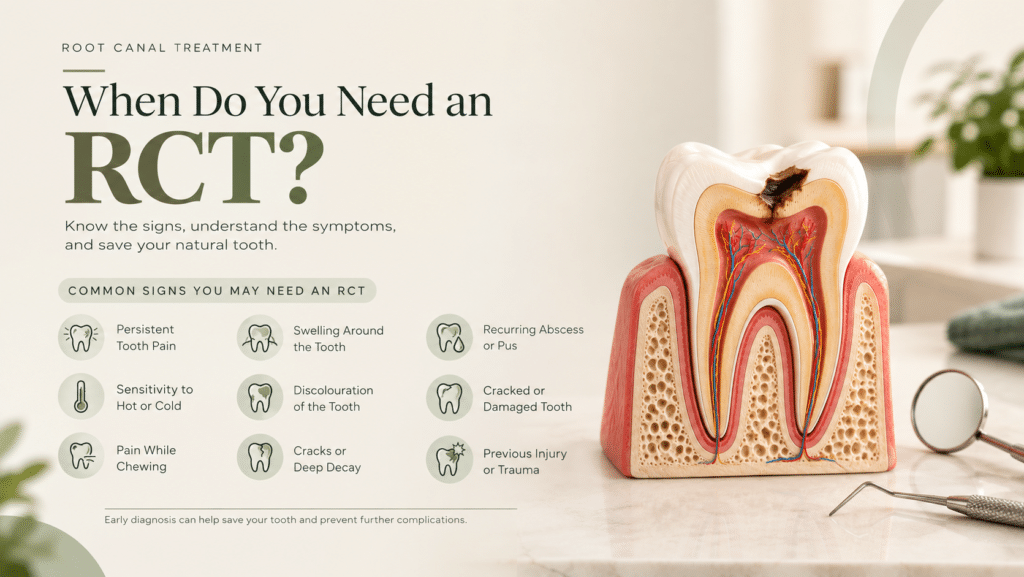
Root canal treatment infographic explaining common signs that may indicate the need for an RCT, including persistent tooth pain, hot or cold sensitivity, pain while chewing, swelling, tooth discolouration, recurring abscess, cracks, deep decay, and previous trauma, alongside a detailed tooth cross-section.

When Do You Need an RCT?

Not every toothache requires a root canal. However, certain symptoms can indicate that the infection or inflammation has affected the pulp of the tooth.

You may need an RCT if you experience:

  • Persistent or severe toothache
  • Long-lasting sensitivity to hot or cold
  • Pain while biting or chewing
  • Swelling around the tooth
  • Recurring dental abscess or pus
  • Tooth discolouration
  • Deep tooth decay
  • A cracked or damaged tooth
  • Previous injury or trauma to the tooth

In some cases, a tooth with an infected pulp may cause little or no pain. This is why a dental examination and X-ray are important before deciding whether RCT in Thane is necessary.

At Dr Rai Dental Avenue, the dentist can assess the affected tooth, identify the underlying problem, and recommend an appropriate treatment plan based on the condition of the tooth.

How Does Root Canal Treatment Work?

The exact procedure can vary depending on the tooth and severity of the infection. Generally, root canal treatment involves several important steps.

1. Dental Examination

The dentist first examines your tooth and may recommend an X-ray. This helps assess the infection and understand the number, position, and shape of the root canals.

2. Local Anaesthesia

The area around the affected tooth is numbed using local anaesthesia. This helps make the procedure comfortable for the patient.

Modern dental techniques can make RCT a much more comfortable experience, which is why many patients looking for a painless root canal in Thane can undergo treatment without significant discomfort.

3. Accessing the Tooth

The dentist creates a small opening in the tooth to access the infected or inflamed pulp.

4. Cleaning the Root Canals

The infected pulp is carefully removed. The root canals are then cleaned, shaped, and disinfected to reduce the risk of remaining bacteria and infection.

5. Filling and Sealing

After the canals have been thoroughly cleaned, they are filled with a suitable material and sealed. This helps prevent bacteria from entering the treated area again.

6. Restoring the Tooth

Once the root canal is completed, the tooth may require a filling or dental crown depending on how much tooth structure remains.

A crown may be recommended for teeth that have lost significant structure because it can help protect the treated tooth from further damage.

What Is a Painless Root Canal?

A “painless root canal” generally refers to an RCT performed using local anaesthesia, modern dental techniques, and appropriate pain-management methods.

You may experience some pressure or vibration during treatment, but you should not normally feel sharp pain when the area is adequately numbed.

At Dr Rai Dental Avenue, your dentist can discuss your concerns before the procedure and explain what you can expect during treatment.

What Is Re-Root Canal Treatment?

Sometimes, a tooth that has already undergone root canal treatment can develop problems again. This may happen because of persistent infection, reinfection, untreated canals, leakage, or other complications.

In such cases, re-root canal treatment may be considered.

During re-root canal treatment, the dentist removes the existing root canal filling material, examines the canals, cleans and disinfects them again, and reseals the tooth.

Whether re-root canal treatment is suitable depends on the condition of the tooth and the reason why the previous treatment was unsuccessful.

What Is a Single-Sitting Root Canal?

A single-sitting root canal, also known as a one-visit RCT, involves completing the main stages of root canal treatment during one appointment.

However, not every case can or should be completed in a single sitting. The number of appointments may depend on the severity of infection, tooth anatomy, presence of an abscess, and the dentist’s clinical assessment.

Your dentist at Dr Rai Dental Avenue can determine the most appropriate treatment approach after examining your tooth.

What Is the Root Canal Cost in Thane?

The root canal cost in Thane can vary from one patient to another. Several factors can influence the overall treatment cost, including:

  • The tooth that requires treatment
  • Complexity and number of root canals
  • Severity of infection
  • Type of RCT required
  • Whether it is a first-time RCT or re-root canal
  • Type of filling or crown required after treatment

For this reason, it is better to get an individual dental assessment rather than relying only on general online prices.

At Dr Rai Dental Avenue, you can discuss the recommended treatment and associated costs with the dental team before proceeding.
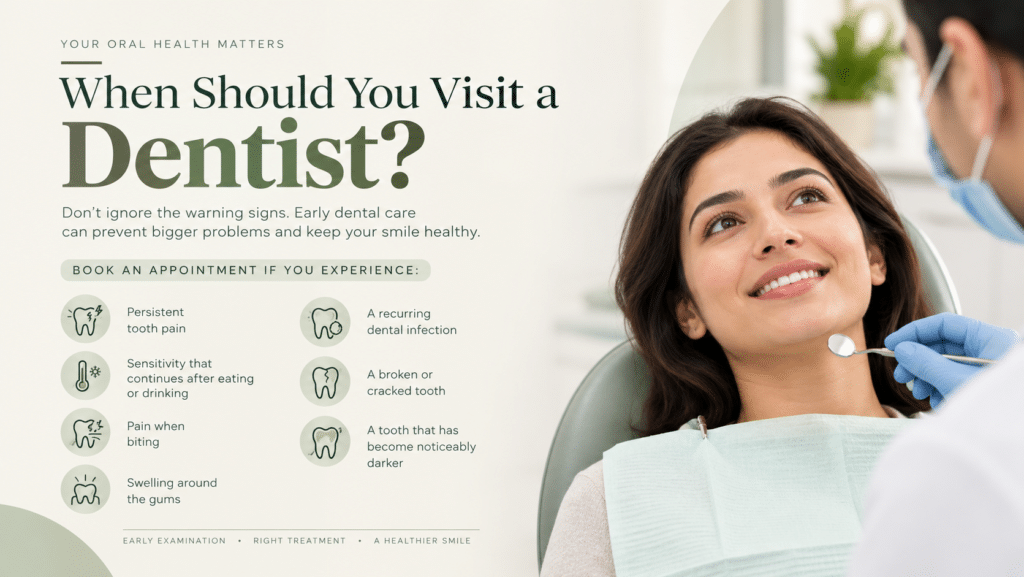
Root Canal Treatment in Thane also When Should You Visit a Dentist?

Why Should You Not Delay Root Canal Treatment?

If an infected tooth is left untreated, the infection can continue to progress and may affect the tissues surrounding the tooth. It can eventually lead to swelling, an abscess, worsening pain, or damage to surrounding structures.

If the tooth can be successfully treated and restored, root canal treatment may help preserve your natural tooth and avoid extraction.

When Should You Visit a Dentist?

You should consider scheduling a dental consultation if you experience:

  • Persistent tooth pain
  • Sensitivity that continues after eating or drinking
  • Pain when biting
  • Swelling around the gums
  • A recurring dental infection
  • A broken or cracked tooth
  • A tooth that has become noticeably darker

Don’t wait until the pain becomes severe. Early examination can help identify the problem and allow your dentist to discuss suitable treatment options.

Get Root Canal Treatment in Thane at Dr Rai Dental Avenue

Tooth pain should not be ignored, especially when it keeps returning or is accompanied by swelling or sensitivity.

At Dr Rai Dental Avenue, patients can receive a detailed dental evaluation to understand the cause of their symptoms and whether root canal treatment, re-root canal treatment, or another procedure is appropriate.

If you’re searching for root canal treatment in Thane, RCT in Thane, or a painless root canal, schedule a consultation at Dr Rai Dental Avenue. Our dental team can assess your tooth, explain the recommended treatment, and help you understand the next steps.

Book your dental consultation at Dr Rai Dental Avenue today and take the first step towards treating your tooth pain and protecting your natural smile.

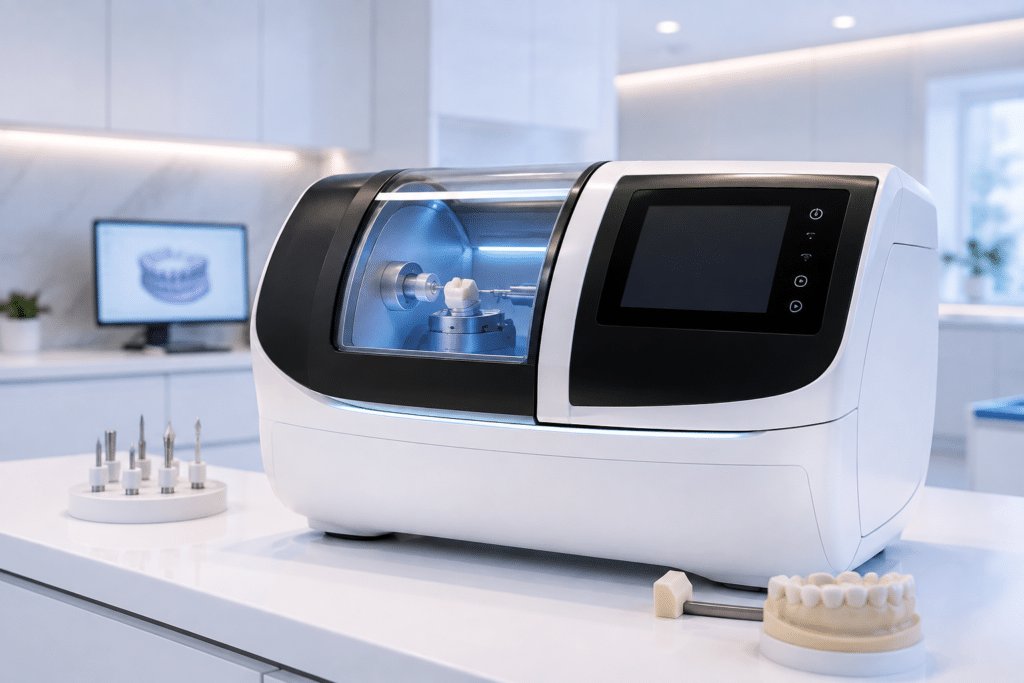
Nobody likes waiting weeks to fix a damaged tooth. Traditional dental crowns usually require multiple appointments, temporary crowns, and repeated clinic visits. But thanks to modern dental technology, that is no longer necessary.

CEREC Primemill in Thane is changing the way dental treatments are done today.

At Dr Rai Dental Avenue, we are happy to introduce CEREC Primemill, one of the latest and most advanced dental machines in the world. This technology allows us to prepare high-quality ceramic crowns and other restorations right here in our clinic, often in just one visit.

If you have a broken tooth, a large cavity, or need a crown after a root canal, CEREC Primemill can make your treatment faster, more comfortable, and more accurate.

What is CEREC Primemill in Thane?

CEREC Primemill in Thane

CEREC Primemill is a smart dental machine that helps dentists design and create custom-made ceramic teeth using digital technology.

Instead of sending your tooth measurements to a dental lab and waiting several days, the machine prepares your restoration inside our clinic with excellent precision.

This means you spend less time waiting and more time smiling.

How Does the Treatment Work?

The process is simple and comfortable.

1. Digital Scan

We first scan your teeth using a small digital scanner. There are no messy impression materials, making the process much more comfortable.

2. Designing Your Tooth

Using advanced software, we design your new crown or restoration to match your natural teeth.

3. Making Your Crown

The CEREC Primemill machine carefully carves your crown from a high-quality ceramic block with great accuracy.

4. Final Placement

After checking the fit and appearance, we securely place the crown on your tooth.

In many cases, the complete treatment can be finished on the same day.

Why Patients Love CEREC Primemill

Saves Your Time

Many treatments can be completed in a single appointment, so you don’t have to visit the clinic multiple times.

Looks Natural

The ceramic material closely matches the colour and shape of your natural teeth, giving you a beautiful smile.

Comfortable Treatment

Digital scanning is much easier and more comfortable than traditional impressions.

Strong and Long Lasting

The ceramic crowns are durable and designed to handle everyday chewing with proper care.

Accurate Fit

Since everything is designed digitally, your crown fits more precisely, making it comfortable to wear.

What Treatments Can Be Done with CEREC Primemill?

At Dr Rai Dental Avenue, this advanced technology can be used for:

  • Dental Crowns
  • Ceramic Veneers
  • Inlays
  • Onlays
  • Tooth Restoration after Root Canal
  • Repairing Broken or Worn Teeth
  • Smile Makeovers

Every restoration is made especially for you to match your natural smile.

CEREC Primemill in Thane

Who Should Consider This Treatment?

CEREC Primemill is a great option if you have:

  • A broken or chipped tooth
  • A large cavity
  • A weak tooth after root canal treatment
  • Old fillings that need replacement
  • Worn-out teeth
  • A damaged crown
  • Cosmetic concerns about your smile

Our dentist will examine your teeth and suggest the best treatment for your needs.

Why Choose Dr Rai Dental Avenue?

Technology is important, but experience matters just as much.

At Dr Rai Dental Avenue, we combine advanced dental equipment with personalised care to give every patient the best possible treatment.

Here’s what you can expect:

  • Latest CEREC Primemill technology
  • Experienced dental professionals
  • Comfortable and friendly environment
  • High standards of hygiene
  • Accurate and long-lasting treatment
  • Personalised care for every patient

Our goal is simple: to help you smile confidently with safe, modern, and comfortable dental care.

Frequently Asked Questions
Is CEREC Primemill safe?


Yes. It is a trusted technology used by dentists around the world for accurate and reliable dental restorations.

In many cases, yes. Depending on your treatment, your crown can often be completed during the same visit.

Absolutely. We carefully match the colour and shape of your natural teeth for a seamless look.

No. The procedure is similar to a regular dental crown treatment, and we ensure you are comfortable throughout.

With good oral hygiene and regular dental check-ups, ceramic crowns can last for many years.

Yes. It is a trusted technology used by dentists around the world for accurate and reliable dental restorations.

In many cases, yes. Depending on your treatment, your crown can often be completed during the same visit.

Absolutely. We carefully match the colour and shape of your natural teeth for a seamless look.

No. The procedure is similar to a regular dental crown treatment, and we ensure you are comfortable throughout.

With good oral hygiene and regular dental check-ups, ceramic crowns can last for many years.

Restore Your Smile with Confidence

Your smile deserves the best care and the latest technology.

With CEREC Primemill in Thane , you no longer have to wait weeks for a beautiful, strong, and natural-looking dental crown. At Dr Rai Dental Avenue, Thane, we are committed to providing faster treatment, greater comfort, and excellent results for every patient.

Whether you need a crown after a root canal, want to repair a damaged tooth, or improve your smile, we’re here to help.

Book Your Consultation Today

Ready to experience modern digital dentistry?

Visit Dr Rai Dental Avenue, Thane, and see how CEREC Primemill can restore your smile in just one visit.

Call us today to book your appointment.

Because your smile deserves the best.

Table of Contents


Let’s be honest nobody likes spending their precious weekends sitting in a dental chair multiple times for a single tooth fix. Traditional crowns usually mean messy molds, uncomfortable temporary teeth, and waiting weeks for a lab to send back your permanent crown- which sometimes doesn’t even fit right.

But what if you could walk into a dental clinic and leave a couple of hours later with a permanent, flawless crown?

Thanks to cutting-edge technology, you can.
As experts specialized in single visit dentistry, we are proud to introduce the state-of-the-art CEREC Primemill system to our practice. If you are looking for an advanced, highly reliable, and trusted dental clinic in Thane/Mumbai your search ends here.

Here is everything you need to know about how we are revolutionizing smiles with our breakthrough single visit dental treatment.

How single-visit dental treatments work

Traditionally, getting a crown is a two-to-three-step process. With our newly upgraded digital workflow, we have condensed that entire timeline into a single, seamless appointment.
With our skills and experience, we have been providing single-visit rootcanals, implants for years! Now, we utilize the CEREC Primemill, a world-class in-house milling unit that crafts your custom dental caps right before your eyes.

  1. Digital Scanning: No more gooey, gag-inducing cap measurement trays. We capture a precise 3D digital image of your mouth.
  2. On-Screen Design: We design your crown custom-fit to your bite and tooth color using a 3D software.
  3. In-House Milling: The CEREC Primemill precisely carves your crown from a solid block of high-quality ceramic in just a few minutes.
  4. Placement: We bond the permanent crown to your tooth.

You walk in, get treated, and walk out. It truly is a premium single visit dentistry experience designed for busy Mumbaikars, and tourists who are in Mumbai for a short time.

Single Visit Dental Treatment

Why Choose Our Advanced Single Visit Dental Treatment?

  • Save Your Precious Time: No need to take multiple days off work or fight Mumbai traffic for follow-up adjustments.
  • No Temporary Crowns: Temporary crowns are notorious for falling out or feeling uncomfortable. With a single visit appointment, you completely skip the temporary phase.
  • Flawless Digital Accuracy: The CEREC Primemill offers micron-level precision, meaning your new tooth will fit comfortably and look entirely natural.

Did You Know? Because we handle the entire design and manufacturing process right here at our  clinic in Thane, we eliminate external laboratory fees. This allows us to deliver advanced treatment at cost effective prices without ever compromising on quality.

Advanced Treatment in Cost Effective Prices in Thane

Many patients assume that cutting-edge technology comes with an astronomical price tag. However, our mission as leading Dentists in Mumbai and Thane is to make world-class healthcare accessible.

By eliminating the middleman (the external dental lab) and reducing the number of appointments, we save on materials, chair time, and shipping. We pass those direct savings on to you. When you choose our single visit dental treatment, you are investing in a long-lasting, premium solution that fits your budget.

Ready to Experience the Future of Dentistry?

Stop putting off your dental health because of a busy schedule. Experience the comfort, speed, and precision of the CEREC Primemill at our modern clinic.

[Click Here to Schedule Your Single Visit Consultation with Your Go-To Dentist Today!]

Table of Contents


If the mere mention of a “Root Canal” makes you think of three, four, or even five painful visits to the dentist, it’s time to update your expectations. Why should a simple tooth-saving procedure disrupt your entire week?

At Dr. Rai’s Dental Avenue, we have mastered the art of the Single Visit Root Canal Treatment in Thane West. Thanks to a perfect blend of high-end technology and specialized expertise, we can take a procedure that traditionally takes three sittings and complete it in a single, comfortable hour.

The “How”: Precision Technology Meets Expert Care

It isn’t magic it’s advanced endodontics. To provide a single visit treatment that is both fast and incredibly durable, we utilize  advanced Endomotors that allow for highly precise and efficient root canals, removing infection faster and more safely than traditional manual methods.

Magnification with Dental Loupes allows us to visualize the smallest canals, and lasers help us clear up all of the infection,  lastly, we don’t cut corners… we use premium biocompatible materials that offer superior results, preventing future reinfection and ensuring your tooth stays strong for years to come.

Experience You Can Trust

Technology is only as good as the doctor operating it.

We are proud to have Dr. Vinay Rai, our founder, chief dentist and a highly experienced endodontist, practising single-visit and complex root-canals. A regular dentist can perform a root canal, but an Endodontist specializes in the complex architecture and diseases of the tooth’s vast interior, combine that with the best of equipment as well as materials for you to get the best possible treatment.

Dr. Vinay brings a level of skill, clinical judgment, and steady-handed precision that allows him to diagnose and resolve complex teeth in a single, comfortable session. When you are at Dr. Rai’s, you are in the hands of a specialist who understands that quality should never be sacrificed for speed.

Why Choose Our Single Visit Root Canal Treatment in Thane West?

Single Visit Root Canal Treatment in Thane West

  1. Time Efficiency: Finish your entire treatment in one hour. Minimized duration of post-op care.
  2. Reduced Discomfort: Fewer sessions mean less trauma to the tooth and quicker recovery. No keeping your mouth open for hours multiple times.

Patient Note: Most teeth that require a root canal will need a protective crown. Because we also specialize in Single Visit Crowns, we can often plan your treatment so that your root canal and your permanent crown are handled with maximum efficiency.

Stop the Pain, Start the Healing

Don’t let a toothache hold you back. Whether you are searching for an expert root-canal specialist near Mumbai/Thane or an expert in single-visit rootcanals, we are here to provide the most advanced, efficient, and comfortable care.

[Click Here to Book Your Consultation with us  and Resolve Your Dental Pain Today!]

As a parent, you want your child to grow up with a healthy, confident smile. One of the most common questions parents ask is, “When should my child first visit a dentist?” The answer may surprise you. Early dental visits help prevent cavities, monitor oral development, and make dental check-ups a positive experience for children.

Whether you’re a first-time parent or looking to improve your child dental care routine, this guide explains everything you need to know about your child’s first dental visit and how to maintain healthy teeth from infancy through childhood.

When Should Your Child First Visit a Dentist?

kids Dental care

Your child should have their first dental visit by their first birthday or within six months after their first tooth appears.

Many parents believe they should wait until all baby teeth have erupted, but may be late in some cases. Early dental check-ups allow the dentist to identify potential problems before they become serious and help parents learn the best practices for kids dental care.

According to the American Academy of Pediatric Dentistry (AAPD), children should have a regular dentist by age one to receive timely preventive dental care and establish healthy oral care habits early.

Why Is Early kids Dental Care Important?

Healthy baby teeth play a bigger role than many parents realize.

Baby teeth help children:

  • Chew food properly
  • Speak clearly
  • Maintain space for permanent teeth
  • Develop healthy jaw growth
  • Build confidence with a bright smile

Ignoring baby teeth because they eventually fall out is a common misconception. Tooth decay in baby teeth can lead to pain, infections, difficulty eating, and problems with permanent teeth.

What Happens During Your Child’s First Dental Visit?

kids Dental care

The first appointment is usually simple, gentle, and focused on prevention rather than treatment.

A pediatric dentist will typically:

  • Examine your child’s teeth and gums
  • Check jaw and bite development
  • Look for early signs of cavities
  • Discuss teething and thumb sucking
  • Demonstrate proper brushing techniques
  • Answer parents’ questions about oral hygiene and diet

The appointment is generally short and designed to make your child feel comfortable in the dental environment.

How Can Parents Prepare Their Child for the First Dental Visit?

A positive introduction to the dentist can reduce fear and build lifelong confidence.

Here are a few simple tips:

  • Schedule the appointment when your child is well-rested.
  • Talk positively about visiting the dentist.
  • Avoid using words like “pain,” “needle,” or “hurt.”
  • Read children’s books about dental visits.
  • Let your child bring a favorite toy for comfort.

Children often take cues from their parents, so staying calm and encouraging helps create a pleasant experience.

How Should You Care for Your Child’s Teeth at Home?

Good oral hygiene starts long before all the teeth appear.

Before the First Tooth

Clean your baby’s gums using a soft, damp cloth after feeding.

After the First Tooth Appears

Brush twice daily using a soft-bristled toothbrush.

Use a small smear of fluoride toothpaste for children under three years and a pea-sized amount after age three, unless your dentist recommends otherwise.

Parents should supervise brushing until children develop enough hand coordination, usually around the age of seven or eight.

Every child has unique dental needs, so regular visits to a pediatric dentist are important. A pediatric dentist can provide personalized guidance on brushing, flossing, diet, fluoride use, and age-appropriate oral care routines based on your child’s dental development. They can also identify potential issues early and recommend preventive treatments to help maintain healthy teeth and gums as your child grows.

What Foods Help Maintain Healthy Teeth?

A balanced diet supports strong teeth and healthy gums.

Encourage your child to eat:

  • Fresh fruits
  • Vegetables
  • Cheese
  • Yogurt
  • Milk
  • Eggs
  • Whole grains
Limit:
  • Sugary drinks
  • Sticky candies
  • Chocolate between meals
  • Frequent snacking
  • Sweetened juices

Water is the best drink between meals and helps rinse away food particles.

What Are the Signs Your Child Should See a Pediatric Dentist?

Don’t wait for pain before scheduling a dental appointment.

Visit a pediatric dentist if you notice:

  • Tooth pain
  • White or brown spots on teeth
  • Bleeding gums
  • Swollen gums
  • Bad breath that doesn’t improve
  • Broken or chipped teeth
  • Difficulty chewing
  • Delayed tooth eruption

Early treatment is usually simpler, less expensive, and more comfortable for children.

Common Dental Problems in Children

Tooth Decay

Tooth decay is one of the most common childhood conditions worldwide. It develops when bacteria feed on sugars and produce acids that erode and damage the teeth.

Thumb Sucking

Thumb sucking is common in infants and young children. However, if the habit continues beyond the preschool years, it may cause the front teeth to protrude and affect normal jaw development, increasing the risk of bite problems as your child grows.

Early Tooth Loss

Premature loss of baby teeth can cause the surrounding teeth to shift and reduce the space needed for permanent teeth. It may also lead to the early eruption of permanent teeth before the jaw has developed enough, increasing the risk of crowding or misaligned teeth.

Teeth Grinding

Some children grind their teeth while sleeping. While many outgrow this habit, persistent teeth grinding may be linked to factors such as airway issues, nutritional deficiencies, or other underlying conditions and should be evaluated by a dentist to determine the cause and recommend appropriate treatment.

Tips to Prevent Cavities in Children

Preventing cavities is much easier than treating them.

Follow these simple habits:

  • Brush twice every day.
  • Floss once teeth begin touching.
  • Visit the dentist every six months.
  • Encourage drinking water after meals.
  • Replace toothbrushes every three months.
  • Avoid putting babies to sleep with milk or juice bottles.

Consistency is the key to excellent child dental care.

Quick Facts Every Parent Should Know

  • The first dental visit should happen by age one or within six months of the first tooth erupting.
  • Baby teeth help guide permanent teeth into the correct position.
  • Fluoride toothpaste helps prevent cavities when used in the recommended amount.
  • Regular dental check-ups allow dentists to detect problems before they become painful.
  • Healthy eating habits significantly reduce the risk of tooth decay.
  • Early positive dental experiences help children develop lifelong confidence in dental care.

kids dental care

Why Choose a Pediatric Dentist?

A pediatric dentist receives specialized training to care for infants, children, and teenagers. Their clinics are designed to create a child-friendly environment, making dental visits less stressful and more enjoyable.

They also understand children’s behavior, growth, and oral development, allowing them to provide personalized treatment based on your child’s age and needs.

FAQs

How often should children visit the dentist?

Most children should have a dental check-up every six months. Your dentist may recommend more frequent visits if your child has a higher risk of cavities.

Are baby teeth really that important?

Yes. Baby teeth help children eat, speak, and guide permanent teeth into the correct position.

What age should children start brushing?

Parents should begin cleaning the gums before the first tooth appears and start brushing as soon as the first tooth erupts.

Is thumb sucking harmful?

Thumb sucking is normal during infancy. If it continues beyond four to five years of age, consult your pediatric dentist to prevent possible dental alignment issues.

Final Thoughts

Building healthy dental habits starts early. Scheduling your child’s first dental visit by their first birthday allows potential problems to be detected before they become serious. Combined with daily brushing, healthy eating habits, and regular check-ups, early kids dental care helps ensure a lifetime of healthy smiles.

If you’re looking for compassionate, expert child dental care, don’t wait until your child experiences pain. Regular visits to a qualified pediatric dentist can make all the difference in maintaining your child’s oral health and confidence.

Book an Appointment today and give your child the best start toward a healthy, beautiful smile.

Tooth pain can strike at the most inconvenient time. It may start as a mild sensitivity while eating something cold or quickly turn into a sharp, throbbing pain that keeps you awake at night. While it’s tempting to ignore it or rely on home remedies, a toothache is often a sign that something isn’t right.

The good news is that many dental problems can be treated quickly when detected early. In this guide, we’ll explain the common tooth pain causes, home remedies that may provide temporary relief, and the warning signs that mean it’s time to visit a dentist.

What Causes Tooth Pain?

Tooth Pain Causes

Most toothaches don’t happen without a reason. Pain is usually a symptom of an underlying dental issue that needs attention.

Here are some of the most common causes:

Tooth Decay (Cavities)

Cavities develop when bacteria in your mouth produce acids that wear away tooth enamel. As the decay reaches the inner layer of the tooth, you may experience sensitivity or persistent pain, especially when eating sweets or drinking hot and cold beverages.

Without treatment, cavities continue to grow and may eventually require a root canal or extraction.

Gum Disease

Healthy gums support your teeth. When plaque builds up along the gum line, it can lead to gingivitis, causing redness, swelling, and bleeding. If left untreated, it may progress to periodontitis, which affects the bone supporting your teeth.

Tooth pain caused by gum disease is often accompanied by bad breath or loose teeth.

Cracked or Broken Tooth

Even a tiny crack can expose the sensitive inner part of your tooth. Pain usually occurs while chewing or when consuming hot or cold foods.

Sometimes cracks are difficult to see, which is why a professional dental examination is important.

Tooth Abscess

A dental abscess is a bacterial infection that forms around the root of a tooth or inside the gums. It often causes severe, throbbing pain that may spread to your jaw, ear, or neck.

This condition requires immediate dental treatment and should never be ignored.

Teeth Grinding (Bruxism)

Many people grind their teeth during sleep without realizing it. Over time, this habit can wear down enamel, increase tooth sensitivity, and cause jaw pain or headaches.

If left untreated, grinding may damage your teeth permanently.

What Are the Symptoms You Should Never Ignore?

Tooth Pain Causes

Not every toothache is an emergency, but certain symptoms require prompt dental care.

Book a dental appointment if you notice:

  • Pain lasting more than two days
  • Swollen gums or face
  • Pain while chewing
  • Pus near the affected tooth
  • Fever along with tooth pain
  • Persistent bad breath
  • Difficulty opening your mouth
  • A chipped or broken tooth causing discomfort

These symptoms may indicate an infection that won’t improve without professional treatment.

Can Home Remedies Help with Tooth Pain?

Yes, but only as temporary relief. Home remedies may reduce discomfort while you arrange a dental appointment, but they cannot treat the underlying cause.

Rinse with Warm Salt Water

A simple saltwater rinse helps remove food particles and may temporarily reduce inflammation around the affected tooth.

Mix half a teaspoon of salt in a glass of warm water and rinse gently for about 30 seconds.

Apply a Cold Compress

If your face is swollen, place a cold pack on the outside of your cheek for 15 to 20 minutes.

This helps reduce swelling and temporarily numbs the area.

Floss Carefully

Sometimes pain is caused by food trapped between teeth. Gently floss around the affected tooth to remove any debris. Avoid forcing the floss if the area is very painful.

Take Over-the-Counter Pain Relief

Pain relief medicines can help manage discomfort until you visit a dentist. Always follow the dosage instructions and avoid placing painkillers directly on the gums, as this may damage the soft tissue.

Avoid Trigger Foods

Until your appointment, try to avoid:

  • Very hot foods
  • Ice-cold drinks
  • Sugary snacks
  • Sticky sweets
  • Hard foods like popcorn kernels or ice

These foods can make tooth sensitivity worse.

What Should You Avoid If You Have Tooth Pain?

Tooth Pain Causes

Some home remedies found online can actually make your condition worse.

Avoid these common mistakes:

  • Applying aspirin directly to your gums
  • Using sharp objects to remove trapped food
  • Ignoring swelling because the pain has reduced
  • Smoking while experiencing dental pain
  • Delaying treatment simply because the discomfort comes and goes

Pain may disappear temporarily if the nerve inside the tooth becomes damaged, but that doesn’t mean the infection has gone away.

When Should You See a Dentist?

Persistent tooth pain should never be ignored. While mild sensitivity may settle, pain that lasts longer than two days or becomes severe usually needs professional attention.

You should book a dental appointment if:

  • Painkillers are no longer helping.
  • Your face or gums are swollen.
  • You notice pus around the tooth.
  • You have difficulty chewing.
  • The pain keeps returning.
  • You have a cracked or broken tooth.

If you live locally and are looking for a trusted dentist in Thane, seeking treatment early can help prevent complications such as infections, tooth loss, or more extensive dental procedures.

Early diagnosis almost always leads to simpler and more comfortable treatment.

How Do Dentists Diagnose Tooth Pain?

Finding the exact cause of your toothache is the first step toward effective treatment. Since different dental problems can cause similar symptoms, a thorough examination helps your dentist recommend the right solution.

During your visit, the dentist may:

  • Examine your teeth, gums, and mouth
  • Ask about your symptoms and medical history
  • Check for swelling, cavities, or signs of infection
  • Take dental X-rays if needed to identify hidden problems

Based on the diagnosis, a personalized treatment plan will be recommended to relieve pain and restore your oral health.

How Is Tooth Pain Treated?

The right treatment depends on the cause of the pain. Treating the underlying problem not only relieves discomfort but also helps prevent future complications.

Here are some common treatment options:

Dental Problem Recommended Treatment
Tooth decay Dental filling
Deep cavity affecting the nerve Root canal treatment
Gum disease Professional scaling and deep cleaning
Cracked or chipped tooth Dental bonding or crown
Dental abscess Draining the infection and appropriate treatment
Severely damaged tooth Tooth extraction (only if necessary)

If you’re experiencing persistent tooth pain, visiting a trusted dental clinic in Thane early can often prevent the need for more extensive procedures later.

Can Tooth Pain Be Prevented?

Yes. Most dental problems can be prevented with good oral hygiene and regular dental check-ups.

Follow these simple habits to keep your teeth healthy:

  • Brush your teeth twice a day using fluoride toothpaste.
  • Floss daily to remove plaque between teeth.
  • Limit sugary snacks and soft drinks.
  • Drink plenty of water throughout the day.
  • Replace your toothbrush every three to four months.
  • Visit your dentist every six months for preventive check-ups and professional cleaning.
  • Wear a mouthguard if you grind your teeth or play contact sports.

Small daily habits can make a big difference in preventing tooth decay and gum disease.

Quick Facts About Tooth Pain

Here are a few important facts every patient should know:

  • Tooth decay is one of the most common oral health problems worldwide.
  • Cavities do not heal on their own and usually require professional treatment.
  • Gum disease often develops without significant pain in its early stages, making regular dental check-ups essential.
  • Swelling around a painful tooth may indicate an infection that requires prompt treatment.
  • Brushing twice daily with fluoride toothpaste helps reduce the risk of cavities.
  • Regular dental visits help detect problems before they become painful or expensive to treat.

Why Choosing the Right Dentist Matters

Timely dental care can make all the difference when it comes to saving your natural teeth.

Whether you have a mild toothache or severe dental pain, choosing an experienced dentist ensures you receive an accurate diagnosis and the most appropriate treatment. Modern dental technology and preventive care can help resolve many problems before they become more serious.

If you’re searching for the best dentist in Thane, look for a clinic that prioritizes patient comfort, uses advanced diagnostic tools, and focuses on long-term oral health rather than just treating symptoms.

FAQs

Can a toothache go away without treatment?

Sometimes the pain may reduce temporarily, but the underlying dental problem usually remains. It’s always best to have persistent tooth pain evaluated by a dentist.

Is it safe to use home remedies instead of visiting a dentist?

Home remedies can provide temporary relief, but they cannot treat cavities, infections, cracked teeth, or gum disease. Professional dental care is necessary to address the root cause.

How long should I wait before seeing a dentist?

If your tooth pain lasts longer than two days, becomes severe, or is accompanied by swelling or fever, schedule a dental appointment as soon as possible.

Does every toothache require a root canal?

No. Many toothaches can be treated with fillings, professional cleaning, or other conservative treatments. A root canal is only recommended when the infection reaches the inner pulp of the tooth.

Final Thoughts

Tooth pain is more than just an inconvenience—it’s often a warning sign that something needs attention. While home remedies may offer temporary relief, they should never replace professional dental care when symptoms persist.

The sooner you identify the cause of your toothache, the easier it is to treat and the better the chances of preserving your natural teeth. Ignoring pain can allow minor dental issues to develop into more complex problems that require extensive treatment.

If you’re looking for a reliable dentist in Thane or a trusted dental clinic in Thane, don’t wait until the pain becomes unbearable. At Dr. Rai’s Dental Avenue, we provide comprehensive dental care using modern techniques and a patient-first approach to help you achieve lasting oral health.

Book an Appointment Today

If you’re experiencing tooth pain, sensitivity, swelling, or any other dental concern, our experienced team is here to help. Book an appointment today for a thorough dental examination and personalized treatment plan, and take the first step toward a healthy, pain-free smile.

Choosing the right country for dental treatment is about more than finding lower prices. International patients want experienced dentists, modern technology, transparent treatment plans, and a comfortable overall experience.

Over the years, India has earned a strong reputation as a trusted destination for dental care. From routine procedures to complex smile restorations, patients from around the world travel to India for high-quality treatment combined with personalized care. If you’re considering Dental Tourism India, here’s why so many international patients choose India for their dental journey.

Dental Tourism India

How Has India Become a Global Hub for Dental Tourism?

India has established itself as one of the leading destinations for healthcare and dental services. The country combines experienced dental professionals with modern clinical facilities, making it an attractive choice for patients seeking reliable treatment abroad.

One of the biggest advantages is accessibility. International patients can often schedule consultations and begin treatment much sooner than they can in countries where waiting times are longer. Combined with English-speaking dental teams and a wide range of treatment options, India continues to attract visitors looking for quality care.

What Makes Dental Care in India Stand Out?

Quality dental care goes beyond the procedure itself. It includes accurate diagnosis, careful treatment planning, patient education, and long-term oral health.

Many dental clinics in India use advanced technologies such as digital X-rays, CBCT imaging, intraoral scanners, CAD/CAM restorations, and rotary endodontic systems. These technologies help dentists diagnose problems more accurately, improve treatment precision, and enhance patient comfort.

Experienced dentists also focus on creating personalized treatment plans based on each patient’s oral health, medical history, and expectations rather than offering a one-size-fits-all solution.

Why Do International Patients Trust Indian Dentists?

Trust is one of the most important factors when travelling abroad for healthcare.

Many Indian dentists regularly attend continuing education programs, workshops, and international conferences to stay updated with the latest advancements in dentistry. They follow evidence-based treatment approaches and place strong emphasis on patient communication, ensuring that patients understand every step of their treatment plan.

Before choosing any clinic, international dental patients should review the dentist’s qualifications, clinical experience, patient testimonials, and available technology.

Is Affordable Dentistry in India Worth It?

One of the biggest reasons patients explore affordable dentistry India is the excellent balance between quality and value.

Dental treatment in India is generally more affordable because operating and infrastructure costs are lower than in many Western countries. However, affordability should never be the only deciding factor.

Instead of choosing the lowest-priced clinic, patients should evaluate factors such as experience, sterilization standards, technology, transparency, and post-treatment support. High-quality dental care provides long-term value and reduces the risk of future complications.

Can You Enjoy Your Trip While Receiving Dental Treatment

Yes. One of the unique benefits of dental travel India is the opportunity to combine healthcare with travel.

Depending on your treatment plan, you may have free time between appointments to explore nearby attractions, experience local cuisine, or simply relax. Cities like Thane, located close to Mumbai, offer convenient accommodation, shopping centres, restaurants, and easy access to transportation, making the overall experience more comfortable for international visitors.

Planning your itinerary with your dentist helps ensure enough time for treatment, recovery, and follow-up appointments before returning home.

Why Is Thane an Excellent Choice for International Dental Patients?

While Mumbai is internationally recognised, many patients prefer nearby Thane for its accessibility and patient-friendly environment.

Thane offers modern dental clinics, shorter travel times within the city, quality accommodation, and excellent connectivity to Mumbai’s international airport. Patients can receive advanced dental treatment in India while enjoying a quieter and less crowded environment compared to central metropolitan areas.

For those seeking personalized dental care, Thane combines convenience with modern healthcare infrastructure.

Dental Tourism in India

What Should You Know Before Booking Your Dental Trip?

Proper planning can make your dental experience smoother and more comfortable.

Before travelling, consider the following:

  • Schedule an online consultation with your dentist.
  • Share your dental records and recent X-rays in advance.
  • Understand how many appointments your treatment requires.
  • Allow extra days for recovery if recommended.
  • Request a written treatment plan and estimated timeline.
  • Discuss post-treatment care and online follow-up options before returning home.

Being well prepared helps reduce stress and ensures better communication throughout your treatment journey.

Final Thoughts

The growing popularity of Dental Tourism India reflects the country’s commitment to providing quality dental care through experienced professionals, advanced technology, and patient-focused treatment. International patients are increasingly choosing India because they receive comprehensive care, shorter waiting times, and personalized attention in a professional clinical environment.

If you’re looking for the Best Dental Tourism in India, choose a clinic that prioritizes clinical expertise, transparent communication, modern technology, and long-term oral health. Taking the time to research your options will help you enjoy a safe, comfortable, and successful dental treatment experience.

FAQs

Why is India famous for dental tourism?

India is known for experienced dentists, advanced dental technology, personalized treatment plans, and cost-effective dental care, making it a preferred destination for international patients.

Is dental treatment in India suitable for international patients?

Yes. Many dental clinics regularly treat international patients by offering virtual consultations, English-speaking staff, customized treatment plans, and post-treatment follow-up support.

How do I choose the right dental clinic in India?

Look for qualified dentists, modern equipment, transparent treatment plans, positive patient reviews, strict sterilization protocols, and clear communication before making your decision.

Why do patients choose Thane for dental treatment?

Thane offers modern dental clinics, convenient access to Mumbai International Airport, comfortable accommodation, and a more relaxed environment while maintaining high standards of dental care.

What should I prepare before travelling for dental treatment?

Carry your dental records, recent X-rays, passport, medical history, and discuss your treatment timeline with your dentist before booking your travel.

If you’re considering high-quality dental care without paying premium prices, Dental Tourism in India is one of the best options available. India combines internationally trained dentists, modern technology, and significantly lower treatment costs, making it a preferred destination for patients from the USA, UK, Canada, Australia, the Middle East, and Africa.

Whether you need dental implants, smile makeovers, root canal treatment, or full-mouth rehabilitation, this guide will help you understand why India is a leading destination for dental treatment in India and how to plan your dental journey with confidence.

Why is India a Popular Destination for Dental Tourism?

India has become one of the fastest-growing hubs for medical tourism India, especially in dentistry. Patients benefit from world-class dental care while also exploring the country’s rich culture and hospitality.

Some of the biggest advantages include:

  • Highly qualified and experienced dentists
  • Modern clinics equipped with advanced dental technology
  • Affordable treatment costs compared to many Western countries
  • Minimal waiting times for appointments
  • English-speaking dental professionals and support staff

According to the Ministry of Tourism, Government of India, medical tourism continues to attract international visitors seeking quality healthcare at competitive prices. India also offers a wide range of accredited hospitals and specialty clinics, further strengthening its reputation as a trusted healthcare destination.

Why choose India for dental tourism

What Dental Treatments Are Available in India?

International dental patients can access almost every modern dental procedure under one roof.

Common treatments include:

  • Dental Implants
  • Full Mouth Rehabilitation
  • Root Canal Treatment
  • Zirconia and Ceramic Crowns
  • Teeth Whitening
  • Veneers and Smile Makeovers
  • Orthodontic Treatment (Braces & Clear Aligners)
  • Gum Disease Treatment
  • Wisdom Tooth Extraction
  • Pediatric Dentistry

Many clinics use digital scanners, CBCT imaging, rotary endodontics, and CAD/CAM technology to improve treatment accuracy and patient comfort.

Is Dental Treatment in India Affordable?

Yes. One of the biggest reasons people choose Dental Tourism India is affordability.

Patients often save a significant amount compared to treatment costs in countries like the United States, United Kingdom, Australia, or Canada. Lower operating costs and favorable exchange rates allow Indian clinics to provide high-quality care at competitive prices without compromising treatment standards.

However, remember that the cheapest clinic is not always the best choice. Focus on the dentist’s experience, clinic hygiene, technology, patient reviews, and treatment quality rather than price alone.

How to Choose the Best Dental Tourism in India?

Selecting the right dental clinic is the most important step in your dental travel India journey.

Before booking your treatment, consider the following:

What to Check Why It Matters
Dentist’s qualifications Ensures professional expertise
Years of experience Indicates clinical proficiency
Patient testimonials Builds confidence and trust
Advanced technology Improves treatment accuracy
Sterilization standards Essential for patient safety
Transparent treatment plan Avoids unexpected costs
Follow-up support Ensures long-term care

A reputable clinic will also provide virtual consultations, treatment timelines, estimated costs, and guidance for international patients before they travel.

Dental Tourism in India

Why Choose Thane for Dental Tourism?

While cities like Mumbai, Delhi, and Bengaluru are popular healthcare destinations, Thane has emerged as an excellent choice for affordable dentistry India.

Located next to Mumbai, Thane offers:

  • Easy access from Mumbai International Airport
  • Modern dental clinics with advanced technology
  • Experienced specialists across multiple dental disciplines
  • Comfortable accommodation options nearby
  • Less traffic and a more relaxed environment compared to central Mumbai

For international visitors, Thane provides quality dental care with the convenience of being close to one of India’s largest international airports.

Tips for International Dental Patients

Planning ahead can make your dental experience smooth and stress-free.

Here are a few helpful tips:

  • Share your dental records before travelling.
  • Schedule an online consultation with your dentist.
  • Allow enough time for procedures that require multiple visits, such as implants or crowns.
  • Keep copies of your passport, visa, and medical history.
  • Follow all post-treatment care instructions before returning home.

Good communication with your dental team ensures better treatment outcomes and a comfortable recovery.

Final Thoughts

Dental Tourism India continues to attract thousands of international dental patients every year because it offers an excellent balance of quality, affordability, and convenience. From routine dental care to complex smile restorations, India provides access to experienced professionals, advanced technology, and personalized treatment plans.

If you’re searching for the Best Dental Tourism in India, choose a clinic that prioritizes patient safety, transparency, and long-term results over low prices alone.

At Dr. Rai’s Dental Avenue, Thane, we welcome patients from around the world with comprehensive dental care, modern facilities, and personalized treatment plans designed to make your dental journey comfortable from consultation to recovery.

FAQs

1. Is Dental Tourism India safe for international patients?

Yes. Reputable dental clinics follow strict sterilization protocols, use modern equipment, and employ qualified dentists. Always verify the clinic’s credentials, patient reviews, and treatment process before booking.

2. How long should I stay in India for dental treatment?

It depends on your treatment. Procedures like teeth whitening may take one visit, while dental implants or full-mouth rehabilitation may require multiple appointments over several days or weeks

3. Can I consult my dentist before travelling to India?

Absolutely. Most dental clinics offer online consultations where you can share X-rays, reports, and discuss your treatment plan before your trip.

4. Why is dental treatment in India more affordable?

Lower operational costs, favorable exchange rates, and efficient healthcare infrastructure allow clinics to provide high-quality treatment at competitive prices without compromising care.

5. What should I look for when choosing a dental clinic in India?

Check the dentist’s qualifications, experience, technology used, hygiene standards, patient reviews, treatment transparency, and aftercare support to ensure a safe and successful experience.

Wondering when your child should first visit a dentist? The answer may surprise many parents. Most dental experts recommend scheduling a child’s first dental visit by their first birthday or within six months of the first tooth appearing.

Early dental visits help prevent problems before they start, build healthy habits, and ensure your child’s smile develops properly. In this comprehensive kids dental care guide, we’ll explain the ideal age for a first dental visit, why baby teeth matter, and how parents can protect their children’s oral health from day one.

When Should a Child First Visit a Dentist?

A child should visit a dentist by age one or within six months of their first tooth erupting.

This recommendation comes from the American Academy of Pediatric Dentistry and is supported by dental professionals worldwide. Many parents assume dental visits can wait until all baby teeth appear, but early checkups can identify potential issues before they become serious.

During the first visit, the dentist examines:

  • Tooth development
  • Gum health
  • Jaw growth
  • Oral habits such as thumb-sucking
  • Early signs of tooth decay

A positive first dental experience also helps reduce fear and anxiety about future visits.

Why Is Early Kids Dental Care So Important?

Good oral health starts long before permanent teeth appear.

Many parents believe baby teeth are temporary and therefore less important. However, these small teeth play a major role in a child’s development.

Baby teeth help children:

  • Chew food properly
  • Learn to speak clearly
  • Maintain facial structure
  • Guide permanent teeth into correct positions

According to dental health experts, tooth decay is one of the most common chronic childhood conditions worldwide. Early prevention is significantly easier and less expensive than treating advanced dental problems.

Are Milk Teeth Important?

Yes, milk teeth are extremely important despite being temporary.

Think of baby teeth as placeholders for permanent teeth. If they are lost too early because of decay or injury, neighboring teeth may shift into empty spaces, creating alignment issues later.

Milk teeth also help children:

Support Healthy Nutrition

Children need healthy teeth to chew fruits, vegetables, and other nutritious foods properly.

Develop Clear Speech

Many speech sounds require proper tongue and tooth placement. Missing or damaged teeth can affect pronunciation.

Build Confidence

A healthy smile can positively impact a child’s confidence, social interactions, and overall well-being.

Ignoring problems in baby teeth can lead to pain, infections, and complications that affect permanent teeth.

What Happens During Your Child’s First Dental Visit?

The first visit is usually quick, gentle, and educational.

The goal is to help your child feel comfortable while giving parents valuable guidance.

A Pediatric Dentist may:

  • Examine teeth and gums
  • Check bite development
  • Look for cavities
  • Assess oral habits
  • Discuss feeding practices
  • Demonstrate proper brushing techniques

Parents can also ask questions about teething, fluoride, diet, and oral hygiene routines.

The appointment often lasts less than 30 minutes, depending on the child’s age and comfort level.

How to Prepare Your Child for Their First Dental Appointment

Preparation can make a big difference.

Children often mirror their parents’ emotions. If you stay calm and positive, your child is more likely to feel relaxed.

Helpful Tips for Parents

  • Talk Positively About the Visit

Describe the dentist as someone who helps keep teeth healthy and strong.

  • Read Children’s Books About Dentists

Storybooks can help children understand what to expect.

  • Schedule Wisely

Choose a time when your child is usually well-rested and cooperative.

  • Avoid Scary Words

Avoid words like “pain,” “needle,” or “drill.” Focus on healthy teeth and fun experiences.

How Often Should Kids Brush Their Teeth?

Kids should brush twice daily, every day.

Consistent brushing is one of the most effective ways to prevent cavities and gum problems.

Brushing Guidelines by Age

Birth to Age 3

  • Use a soft-bristled toothbrush
  • Apply a tiny smear of fluoride toothpaste
  • Brush twice daily

Age 3 to 6

  • Use a pea-sized amount of fluoride toothpaste
  • Supervise brushing
  • Encourage brushing for two minutes

Age 6 and Above

  • Continue twice-daily brushing
  • Introduce flossing if teeth touch each other
  • Monitor technique regularly

Parents should assist with brushing until children develop adequate hand coordination, typically around age seven or eight.

What Is Fluoride and Is It Safe for Children?

Fluoride is a naturally occurring mineral that helps prevent tooth decay.

It strengthens tooth enamel and makes teeth more resistant to acid attacks from bacteria and sugary foods.

When used correctly, fluoride is considered safe and effective for children.

Benefits of Fluoride

  • Strengthens developing teeth
  • Reduces cavity risk
  • Repairs early enamel damage
  • Supports long-term oral health

Most pediatric dental organizations recommend age-appropriate fluoride toothpaste because of its proven cavity-prevention benefits.

Parents should supervise young children to ensure toothpaste is not swallowed excessively.

How to Prevent Cavities in Kids?

Preventing cavities is easier than treating them.

Simple daily habits can dramatically reduce the risk of tooth decay.

1. Brush Twice Daily

Regular brushing removes plaque and food particles that feed harmful bacteria.

2. Limit Sugary Foods and Drinks

Frequent exposure to sugary snacks increases cavity risk.

Try to reduce:

  • Sticky candies
  • Sweetened beverages
  • Frequent snacking
  • Sugary juices

3. Encourage Water Consumption

Water helps rinse away food particles and supports saliva production.

4. Visit a Pediatric Dentist Regularly

Routine dental visits allow early detection of potential issues.

5. Establish Healthy Eating Habits

Foods rich in calcium, phosphorus, and vitamins support strong teeth and gums.

Common Dental Problems in Children

Many childhood dental issues are preventable when detected early.

Parents should watch for signs of oral health concerns.

Early Childhood Cavities

Often caused by prolonged exposure to sugary drinks and poor oral hygiene.

Teething Discomfort

Usually begins around six months of age and may cause mild irritability.

Thumb-Sucking

Persistent thumb-sucking beyond early childhood may affect tooth alignment and jaw development.

Tooth Grinding

Some children grind their teeth during sleep. While often temporary, persistent grinding should be evaluated.

Misaligned Teeth

Early dental monitoring helps identify orthodontic concerns before they worsen.

Signs Your Child Should See a Dentist Sooner

Don’t wait for the next scheduled appointment if you notice warning signs.

Contact a Pediatric Dentist if your child experiences:

  • Tooth pain
  • Swollen gums
  • White or brown spots on teeth
  • Persistent bad breath
  • Difficulty chewing
  • Dental injuries
  • Bleeding gums

Early treatment often prevents more complex procedures later.

Why Choosing a Pediatric Dentist Matters

Pediatric dentists receive specialized training focused on children’s oral health.

They understand the unique developmental stages of infants, toddlers, children, and teenagers.

Benefits include:

  • Child-friendly environment
  • Specialized behavior management techniques
  • Expertise in growing teeth and jaws
  • Preventive care focused on children
  • Better communication with young patients

For many families in Thane, working with a qualified Pediatric Dentist can make dental visits more comfortable and productive.

Kids Dental Care Tips Every Parent Should Follow

Healthy habits started early often last a lifetime.

Here are some simple practices that make a big difference:

  • Clean gums even before teeth appear
  • Schedule the first dental visit by age one
  • Brush twice daily with fluoride toothpaste
  • Limit sugary snacks and drinks
  • Encourage water after meals
  • Replace toothbrushes every three months
  • Schedule regular dental checkups
  • Lead by example with your own oral hygiene routine

Consistency is more important than perfection. Small daily habits create lifelong oral health benefits.

Frequently Asked Questions (FAQs)

1. When should a child first visit a dentist?

A child should have their first dental visit by age one or within six months after the first tooth erupts.

2. How often should children visit the dentist?

Most children should visit the dentist every six months for routine examinations and preventive care.

3. Are milk teeth important if they eventually fall out?

Yes. Milk teeth help with eating, speaking, facial development, and guiding permanent teeth into proper positions.

4. How can I prevent cavities in my child?

Brush twice daily, use fluoride toothpaste, limit sugary foods, encourage water consumption, and schedule regular dental checkups.

5. What is fluoride and is it safe for children?

Fluoride is a mineral that strengthens enamel and helps prevent cavities. It is safe when used in age-appropriate amounts.

6. At what age can children brush their teeth independently?

Most children develop the coordination to brush effectively on their own around age seven or eight, though supervision is still recommended.

7. What should I do if my child is afraid of the dentist?

Use positive language, read dental-themed books, and choose a child-friendly Pediatric Dentist experienced in working with young patients.

8. How long should children brush their teeth?

Children should brush for approximately two minutes, twice a day..

Dental pain is one of the most under-acted-upon health symptoms in the world. People endure toothaches for days, dismiss bleeding gums as “normal,” and put off appointments until the pain becomes unbearable. 

But here’s the truth: in dentistry, time is tooth. The longer you wait, the more complex and expensive the treatment becomes.

This guide covers the 10 most critical warning signs that indicate you need to visit a dentist immediately not next week, not “when you get around to it.” We’ve gone beyond the standard lists to include the real medical reasons behind each symptom, the risks of ignoring them, and when to treat it as a true dental emergency.

Top Signs You Need to See a Dentist Immediately

Sign #1: Persistent Toothache That Won’t Go Away

A toothache lasting more than 24–48 hours is never “normal.” While you might be tempted to reach for a painkiller and hope it fades, a persistent toothache is your body screaming that something is seriously wrong underneath the surface.

Common causes include:

  • Deep cavity reaching the tooth pulp
  • Dental abscess (bacterial infection at the root)
  • Cracked or fractured tooth
  • Impacted wisdom tooth pressing on nerves
  • Advanced gum disease eroding bone support

 Sign #2: Swollen, Bleeding, or Receding Gums

Seeing pink in the sink when you brush? A little blood once in a while might seem minor, but regular gum bleeding is an early warning sign of gingivitis and left untreated, it progresses to periodontitis, a serious infection that destroys the bone holding your teeth in place.

Common causes include:

  • Gingivitis (Stage 1 gum disease) from plaque buildup
  • Aggressive brushing with a hard-bristle toothbrush
  • Hormonal changes during pregnancy (“pregnancy gingivitis”)
  • Vitamin C deficiency (scurvy)
  • Blood thinners or anticoagulant medications

Sign #3: Severe or Sudden Tooth Sensitivity

That sharp, shooting jolt of pain when you sip your morning chai or bite into a cold mango isn’t something to brush off. Sudden or intense tooth sensitivity indicates that the protective enamel layer has been compromised, exposing the sensitive dentin or nerve beneath.

Common causes include:

  • Worn or eroded tooth enamel (from acidic foods, teeth grinding)
  • Exposed tooth roots due to receding gums
  • A cracked or chipped tooth
  • A cavity that has reached the dentin
  • A failing or leaking dental filling

Sign #4: Visible Swelling in the Jaw, Cheek, or Neck

Facial swelling related to a tooth is a dental emergency  full stop. It almost always means a bacterial infection (abscess) is present, and infection near the jaw can spread rapidly through the soft tissue planes of the neck and throat.

Common causes include:

  • Periapical abscess (infection at the tooth’s root tip)
  • Periodontal abscess (infection in the gum pocket)
  • Infected wisdom tooth (pericoronitis)
  • Post-extraction infection

Sign #5: Loose Adult Teeth

Adult teeth are designed to last a lifetime. If one of your permanent teeth feels loose  even slightly  it is a serious sign that the supporting structures (bone and ligament) are failing.

Common causes include:

  • Advanced periodontitis (severe gum disease destroying bone)
  • Dental trauma or injury
  • Bruxism (chronic teeth grinding weakening supporting ligaments)
  • Osteoporosis affecting jaw bone density
  • Systemic conditions like diabetes reducing healing capacity

Sign #6: Mouth Sores That Don’t Heal in 2 Weeks

Most mouth ulcers (aphthous ulcers) resolve on their own within 7–10 days. But a sore, patch, or lump that persists beyond two weeks  especially if it’s painless  should be evaluated by a dentist without delay.

Common causes include:

  • Persistent canker sores from nutritional deficiencies or autoimmune conditions
  • Oral thrush (fungal infection) common in diabetics or immunocompromised patients
  • Leukoplakia — white patches that may be precancerous
  • Erythroplakia — red patches with higher cancer risk
  • Oral cancer (squamous cell carcinoma)

Sign #7: Persistent Bad Breath (Halitosis) That Doesn’t Go Away

Everyone experiences morning breath  that’s entirely normal. But chronic bad breath that persists despite brushing, flossing, and using mouthwash is a clinical sign that something pathological is occurring in your mouth or beyond.

Common causes include:

  • Periodontal disease (bacteria colonies deep in gum pockets)
  • Untreated cavities harboring food debris and bacteria
  • Dry mouth (xerostomia) — often medication-induced
  • A dental abscess or pus-producing infection
  • Tonsil stones or post-nasal drip (referred from ENT conditions)

Sign #8: Jaw Pain, Clicking, or Difficulty Opening the Mouth

Your temporomandibular joint (TMJ)  the hinge connecting your lower jaw to your skull is one of the most complex joints in the human body. Pain, clicking, locking, or stiffness in this area signals a TMJ disorder that needs professional evaluation.

Common causes include:

  • Bruxism (teeth grinding) straining the joint
  • Misaligned bite (malocclusion) causing uneven jaw pressure
  • Arthritis affecting the joint cartilage
  • Jaw trauma from an accident or blow to the face
  • Stress-related clenching

Sign #9: Dental Work That Feels Loose, Falls Off, or Is Causing Pain

If a filling has fallen out, a crown feels wobbly, or a dental bridge is causing pain or sensitivity, don’t wait for your next routine checkup. Failed restorations expose vulnerable tooth structure to bacteria and can rapidly accelerate decay.

Common causes include:

  • Old fillings breaking down after years of wear (most last 10–15 years)
  • Decay forming underneath a crown (secondary caries)
  • A bridge becoming loose due to the loss of an abutment tooth
  • A dental implant feeling unstable (peri-implantitis)

The Surprising Link Between Oral Health and Your Overall Body

Many people think of the mouth as separate from the rest of the body but science tells a very different story. Here’s why ignoring dental warning signs can harm far more than just your teeth:

  • Heart Disease: Periodontal bacteria (particularly Porphyromonas gingivalis) have been found in arterial plaque. Gum disease is associated with a 2–3x increased risk of heart attack and stroke.
  • Diabetes: Gum disease and diabetes have a bidirectional relationship. Poorly controlled diabetes worsens gum disease; and active gum disease makes blood sugar harder to control.
  • Pregnancy: Pregnant women with untreated gum disease have a significantly higher risk of preterm birth and low birth weight babies.
  • Respiratory Infections: Oral bacteria aspirated into the lungs can cause or worsen pneumonia and COPD, particularly in elderly patients.
  • Mental Health: Chronic tooth pain and oral disease are strongly associated with anxiety, depression, and social withdrawal.

Bottom line: Visiting the dentist isn’t just about your teeth. It’s an investment in your heart, your metabolism, your pregnancy, and your quality of life.

How to Avoid Most Dental Emergencies

Top 5 Dental Emergencies and How to Avoid Them

The majority of dental emergencies are preventable. Here’s what the evidence supports:

  • Schedule professional cleanings every 6 months (every 3–4 months if you have gum disease).
  • Get dental X-rays every 12–18 months to catch hidden issues before they become emergencies.

Frequently Asked Questions (FAQs)

Below are the most commonly searched questions about dental emergencies and urgent dental care answered clearly and accurately.

Q1: What counts as a dental emergency?

A: A dental emergency is any situation involving severe pain, swelling, uncontrolled bleeding, a knocked-out tooth, a dental abscess, or a broken tooth with nerve exposure. These require same-day or next-day care. When in doubt, call your dentist most clinics reserve time slots for emergencies.

Q2: Can I take painkillers and wait a few days instead of seeing a dentist immediately?

A: Painkillers can temporarily mask symptoms, but they do not treat the underlying cause. A dental abscess, for example, will continue to spread even if the pain is suppressed. Waiting can turn a manageable infection into a surgical emergency. If you are managing pain, still call your dentist the same day.

Q3: How do I know if my toothache needs a root canal or just a filling?

A: Only an X-ray and clinical examination can determine this. General signs that a root canal may be needed include: pain that lingers for 30+ seconds after a hot/cold stimulus, spontaneous pain that wakes you at night, swelling near the tooth, or a pimple-like bump (sinus tract) on the gum above the tooth. See a dentist to be sure.

Q4: Are bleeding gums always a sign of gum disease?

A: Not always, occasional bleeding from overly aggressive brushing or a new flossing routine is common. However, if your gums bleed consistently, are swollen, or you haven’t had a professional cleaning in over 6 months, it is very likely early-stage gum disease (gingivitis). The good news: at this stage it is completely reversible with professional cleaning and improved oral hygiene.

Q5: What should I do if my child knocks out a baby tooth?

A: For primary (baby) teeth, reimplantation is generally NOT recommended, as it can damage the developing permanent tooth underneath. However, you should still see a dentist to ensure no root fragments remain and to check surrounding teeth. If a permanent tooth is knocked out, follow the 60-minute rule: handle the tooth by the crown (not the root), rinse gently, place it in cold milk or saline, and get to a dentist immediately.

Q6: Can dental problems affect my overall health?

A: Absolutely, and this connection is well-documented by research. Gum disease bacteria have been linked to cardiovascular disease, type 2 diabetes complications, adverse pregnancy outcomes (preterm birth, low birth weight), and respiratory infections. Oral health truly is a window into your overall systemic health.

Q7: How often should I see a dentist if I have no symptoms?

A: The standard recommendation is every 6 months for routine cleanings and checkups. However, individuals with gum disease, high cavity risk, dry mouth, or medical conditions like diabetes may need visits every 3–4 months. Your dentist will advise on the right interval for your specific situation.

Q8: Is tooth sensitivity the same as a cavity?

A: No but they are related. Cavities can cause sensitivity, but sensitivity can also arise from enamel erosion, gum recession, or grinding without any cavity being present. Both require professional assessment. Sensitivity-specific toothpastes may reduce discomfort temporarily, but they do not address the root cause.

Conclusion: Your Teeth Are Trying to Tell You Something

Pain, swelling, bleeding, sensitivity, bad breath, loose teeth, non-healing sores none of these are things your body does casually. Each one is a communication: something is wrong, and it needs attention now.

Dental problems are uniquely time-sensitive. A cavity that costs ₹800 today becomes a root canal costing ₹8,000 next year, and a missing tooth requiring an implant costing ₹25,000+ the year after. Proactive dental care is the single highest-ROI investment you can make for your oral and general health.

If you’re experiencing any of the 10 signs above  even mildly  don’t wait for a routine checkup. Call your dentist today, explain your symptoms, and ask for an urgent or same-day appointment. Your dentist would rather see you now than deal with a complicated emergency later.

Scroll to Top