
Re-Root Canal Specialist in Thane
Advanced Treatment for Failed Root Canal Cases
Re-root canal treatment is performed when a previously treated tooth develops infection again. Our specialists provide advanced retreatment procedures to remove infection and restore
the health of your tooth.
With modern techniques and careful evaluation, we aim to save the natural tooth and prevent
further complications.


What is
Re-Root Canal Treatment?
Re-root canal treatment involves reopening a previously treated tooth, removing the old filling material, cleaning the canals again, and sealing them properly to eliminate infection.
This procedure helps restore the tooth and ensures long-lasting oral health.
Signs You May Need Re-Root Canal Treatment
You may require retreatment if you notice:
- Persistent pain in a previously treated tooth
- Swelling or tenderness around the tooth
- Sensitivity while chewing
- Recurring infection or abscess
Prompt treatment helps prevent further damage and save the tooth.

Why Choose Our
Re-Root Canal Specialists?
-
Experienced dental specialists
-
Advanced diagnostic technology
-
Precise and comfortable procedures
-
Safe and hygienic treatment environment
We focus on restoring the tooth effectively while ensuring patient comfort.
Dr. Rai’s Dental Avenue
Introduction Of
Re-Root Canal
What is
Re-Root Canal
Why do you need
Re-Root Canal
Why Choose Our
Re-Root Canal Treatment
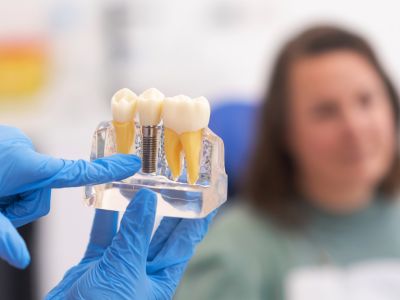
Dental Implants Saga: Bridging the Gap with Perfect Smiles
Dental implants are a solution to missing teeth and are very popular in India. These implants are surgically placed in the jaw and provide a solid base for the prosthesis, improving function and aesthetics. As a first choice, dental implants offer a durable and beautiful alternative to tooth replacement procedures.
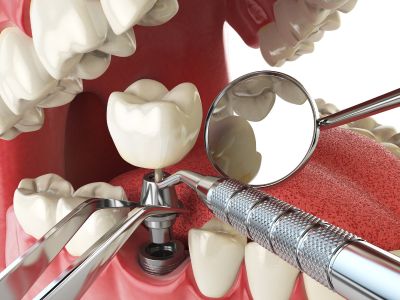
What are Dental Implants?
Dental implants are a dental procedure that involves placing titanium into the jawbone to support dentures. The best solution for missing teeth in India is permanent and long-lasting. With great cosmetic results, dental implants have become a popular option and offer a great, long-lasting option to restore your smile.
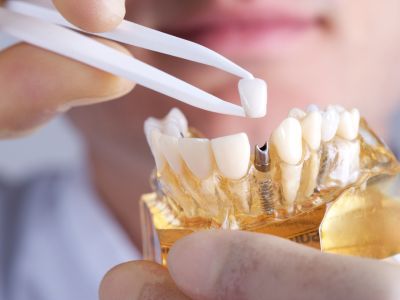
Why do you need Dental Implant?
Dental implants in India are important to solve the problem of missing teeth. In addition to being cosmetic, implants preserve the integrity of the jaw and support the facial structure. This solution improves oral function, promotes good speech and comfortable chewing. Dental implants have a long-term impact on overall health and have become an important part of dental care in India.
Advantages of
Dental Implants
Dental implants in India offer alternatives that provide stability and beauty. Combining modern innovations with timeless wisdom, realizing the benefits of long-term work and smiling face.
-
Dental implants bond seamlessly to natural teeth, helping to enhance and self-strengthen the Indian smile.
-
Dental implants support oral hygiene by eliminating cavities and reducing gum disease
-
Dental implants solve long-term problems with proper care and reduce the need for frequency.
-
Dental implants enhance teeth in thought and function, actually providing good dental care.
-
Implants strengthen the jaw, prevent degeneration and control the face over time.
Dr. Rai’s Dental Avenue
Introduction Of
Dental Implants
What are
Dental Implants
Why do you need
Dental Implant
Advantages of
Dental Implants
Re-Root Canal FAQs
What is re-root canal treatment?
+
Re-root canal treatment, also known as root canal retreatment, is a procedure performed when a previously treated tooth becomes infected again or does not heal properly. The dentist reopens the tooth, removes the old filling material, cleans the canals thoroughly, and reseals it to eliminate infection and preserve the natural tooth.
Why would I need a re-root canal treatment?
+
A re-root canal may be needed if the initial treatment fails due to incomplete cleaning of canals, complex root anatomy, delayed crown placement, or new decay causing reinfection. Symptoms like recurring pain, swelling, or sensitivity may indicate the need for retreatment.
Is re-root canal treatment painful?
+
Re-root canal treatment is generally not painful as it is performed under local anesthesia. You may feel slight discomfort during or after the procedure, but it is usually manageable and significantly less than the pain caused by the infection itself.
How successful is re-root canal treatment?
+
Re-root canal treatment has a high success rate when performed correctly. It can effectively eliminate infection and save the natural tooth for many more years, especially when followed by proper restoration such as a dental crown.
How is re-root canal different from regular root canal treatment?
+
In a re-root canal, the dentist removes the previous filling material and addresses any missed canals or persistent infection before resealing the tooth. It is usually more complex than a first-time root canal because it involves correcting earlier treatment issues.
What are the alternatives to re-root canal treatment?
+
If re-root canal treatment is not feasible, alternatives may include tooth extraction followed by replacement options such as dental implants or bridges. However, saving the natural tooth is usually preferred whenever possible.
How long does re-root canal treatment take?
+
The procedure may take one or two visits depending on the complexity of the case and the extent of infection. Since retreatment involves additional steps, it may take slightly longer than a regular root canal.
What is the cost of re-root canal treatment?
+
The cost of re-root canal treatment depends on factors such as the tooth involved, the complexity of the retreatment, and whether additional procedures like crown replacement are needed. A consultation will provide a clear estimate based on your case.
Do I need a crown after re-root canal treatment?
+
Yes, placing a crown after re-root canal treatment is usually recommended to protect the tooth, restore its strength, and prevent future damage or reinfection.
How can I know if my previous root canal has failed?
+
Signs of a failed root canal may include persistent or recurring tooth pain, swelling in the gums, sensitivity, or the presence of an abscess. In some cases, there may be no symptoms, and the issue is detected during routine dental X-rays.