

When people notice yellow teeth, stains, or dull-looking smiles, they often search for two common dental treatments: teeth whitening and teeth scaling. While both can improve the appearance of your teeth, they are completely different procedures with different purposes.
Teeth whitening is a cosmetic treatment designed to brighten tooth color and remove stains, whereas teeth scaling is a dental cleaning procedure that removes plaque, tartar, and bacteria from the teeth and gums to improve oral health.
Many people confuse the two because both can make teeth appear cleaner and fresher. However, understanding the difference is important before choosing the right treatment for your smile.
At Dr. Rai’s Dental Avenue, patients often ask whether they need scaling, whitening, or both. The answer depends on your dental condition, staining type, and oral hygiene.
What is Teeth Scaling?
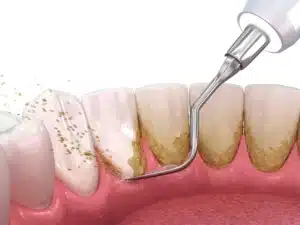
Teeth scaling is a professional dental cleaning procedure that removes:
- Plaque
- Tartar (calculus)
- Bacteria buildup
- Surface deposits near the gum line
Over time, plaque hardens into tartar, which cannot be removed by normal brushing. If ignored, it can lead to:
- Bad breath
- Gum inflammation
- Bleeding gums
- Gingivitis
- Periodontal disease
Scaling helps maintain healthy gums and prevents long-term dental problems. According to the American Dental Association, professional cleanings are an important part of preventive dental care.
Signs You May Need Teeth Scaling
- Yellow or brown tartar deposits
- Bleeding while brushing
- Persistent bad breath
- Swollen gums
- Gum sensitivity
- Plaque buildup behind teeth
Many patients are surprised to see how much cleaner and brighter their teeth look after scaling. However, this does not mean scaling is the same as whitening.
What is Teeth Whitening?
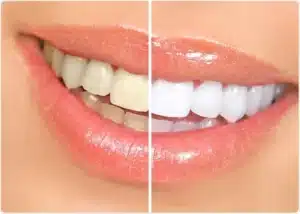
Teeth whitening is a cosmetic dental treatment used to lighten the shade of teeth and reduce stains.
This procedure mainly targets:
- Coffee stains
- Tea stains
- Tobacco stains
- Wine stains
- Age-related discoloration
Professional whitening treatments use safe bleaching agents such as hydrogen peroxide or carbamide peroxide to break down stains inside the enamel.
Unlike scaling, whitening does not remove tartar or treat gum disease. Its primary purpose is aesthetic improvement.
Teeth Whitening vs Scaling: The Main Difference
Here is the easiest way to understand it:
| Teeth Scaling | Teeth Whitening |
| Improves oral health | Improves tooth color |
| Removes plaque and tartar | Removes stains and discoloration |
| Prevents gum disease | Enhances smile appearance |
| Non-bleaching procedure | Bleaching-based cosmetic procedure |
| Recommended for hygiene maintenance | Recommended for cosmetic enhancement |
In simple words, scaling focuses on cleanliness and gum health, while whitening focuses on brightness and appearance.
Does Scaling Whiten Teeth?
This is one of the most common questions patients ask.
The answer is: partially, yes.
Scaling removes tartar and external deposits, so teeth may look cleaner and slightly brighter afterward. However, it does not change the natural shade of your teeth.
If your teeth are naturally yellow or deeply stained, scaling alone will not provide dramatic whitening results.
For visibly whiter teeth, professional whitening treatment is usually recommended after cleaning.
Can You Do Teeth Whitening Without Scaling?
Dentists generally recommend scaling before whitening.
Why?
Because whitening works best on clean teeth. If plaque or tartar is present, the whitening gel may not work evenly.
Professional cleaning before whitening can:
- Improve whitening results
- Reduce uneven shades
- Help dentists evaluate oral health properly
- Lower the risk of gum irritation
At Dr. Rai’s Dental Avenue, dentists often suggest a proper dental cleaning before cosmetic whitening procedures for better and safer outcomes.
Which Treatment is Better?
There is no “better” option because both treatments serve different purposes.
Teeth Scaling is Better If:
- You have tartar buildup
- Your gums bleed
- You experience bad breath
- You have plaque deposits
- Your dentist recommends deep cleaning
Teeth Whitening is Better If:
- Your teeth look dull or stained
- You want a brighter smile
- You are preparing for a wedding or event
- You smoke or drink tea/coffee frequently
In many cases, patients benefit from both treatments together.
Is Teeth Scaling Painful?
Routine scaling is usually not painful.
Some people may experience:
- Mild sensitivity
- Slight discomfort near gums
- Temporary bleeding if gums are inflamed
Modern dental clinics use advanced ultrasonic scalers that make the procedure quicker and more comfortable.
Patients with heavy tartar buildup or gum infection may require deep scaling, which can involve local anesthesia.
Is Teeth Whitening Safe?
Yes, professional teeth whitening is considered safe when performed under dental supervision.
According to the National Health Service (NHS) UK, teeth whitening should always be carried out by qualified dental professionals to avoid gum damage or enamel issues.
Some temporary side effects may include:
- Tooth sensitivity
- Mild gum irritation
- Temporary discomfort with cold foods
These effects usually disappear within a few days.
How Long Do Results Last?
Teeth Scaling
Results depend on oral hygiene habits. Regular brushing, flossing, and dental visits help maintain clean teeth longer.
Dentists usually recommend professional scaling every 6 months.
Teeth Whitening
Whitening results can last from several months to a few years depending on:
- Smoking habits
- Tea and coffee intake
- Oral hygiene
- Food choices
Touch-up sessions may be needed over time.
Common Myths About Scaling and Whitening
Myth 1: Scaling Weakens Teeth
False. Professional scaling removes harmful tartar and bacteria. It does not damage healthy enamel.
Myth 2: Whitening Damages Teeth Permanently
Professional whitening performed correctly is generally safe.
Myth 3: Scaling and Whitening Are the Same
No. One is a health-focused cleaning treatment, while the other is a cosmetic enhancement procedure.
Myth 4: Whitening Toothpaste Gives Professional Results
Most whitening toothpastes only remove surface stains and cannot provide the same results as professional whitening.
How to Maintain a Bright and Healthy Smile
Whether you choose scaling, whitening, or both, proper dental care matters.
Here are some simple habits that help:
- Brush twice daily
- Floss regularly
- Limit tobacco use
- Reduce tea, coffee, and wine stains
- Visit your dentist regularly
- Drink more water after meals
Healthy gums and clean teeth always make a smile look better, even before cosmetic treatments.
Choosing the Right Dental Clinic in Thane
When considering cosmetic or preventive dental treatments, choosing an experienced clinic matters.
Dr. Rai’s Dental Avenue is known for advanced dental treatments including teeth whitening, cleaning, cosmetic dentistry, and preventive oral care in Thane.
The clinic focuses on:
- Modern dental technology
- Personalized treatment planning
- Comfortable patient experience
- Preventive and cosmetic dentistry
Final Thoughts
Teeth whitening and scaling are both valuable dental treatments, but they solve different problems.
If your concern is plaque, tartar, or gum health, scaling is the right solution. If your goal is a brighter and more confident smile, whitening may be the better option.
In many cases, combining both treatments delivers the best overall results.
The most important step is getting your teeth evaluated by a qualified dentist who can recommend the right treatment based on your oral health and smile goals.
FAQs
Is teeth scaling necessary before whitening?
Yes, dentists often recommend scaling before whitening for better and more even results.
Can scaling remove yellow teeth?
Scaling can remove tartar and surface stains, but it may not completely whiten naturally yellow teeth.
How often should scaling be done?
Most dentists recommend scaling every 6 months, depending on oral hygiene and tartar buildup.
Does teeth whitening hurt?
Some patients experience temporary sensitivity, but professional whitening is generally safe and comfortable.
Which lasts longer, scaling or whitening?
Scaling maintains oral hygiene, while whitening results depend on eating habits, smoking, and dental care.
Can I eat after teeth whitening?
Yes, but dentists usually advise avoiding dark-colored foods and drinks for 24 to 48 hours after treatment.