
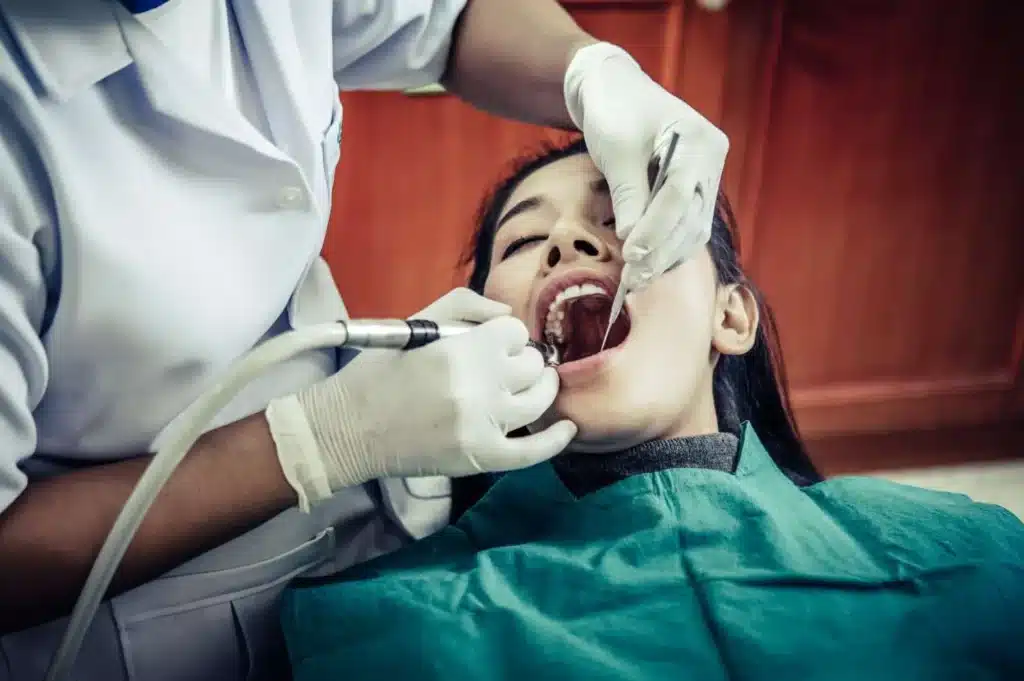
Dental pain is one of the most under-acted-upon health symptoms in the world. People endure toothaches for days, dismiss bleeding gums as “normal,” and put off appointments until the pain becomes unbearable.
But here’s the truth: in dentistry, time is tooth. The longer you wait, the more complex and expensive the treatment becomes.
This guide covers the 10 most critical warning signs that indicate you need to visit a dentist immediately not next week, not “when you get around to it.” We’ve gone beyond the standard lists to include the real medical reasons behind each symptom, the risks of ignoring them, and when to treat it as a true dental emergency.
Top Signs You Need to See a Dentist Immediately
Sign #1: Persistent Toothache That Won’t Go Away
A toothache lasting more than 24–48 hours is never “normal.” While you might be tempted to reach for a painkiller and hope it fades, a persistent toothache is your body screaming that something is seriously wrong underneath the surface.
Common causes include:
- Deep cavity reaching the tooth pulp
- Dental abscess (bacterial infection at the root)
- Cracked or fractured tooth
- Impacted wisdom tooth pressing on nerves
- Advanced gum disease eroding bone support
Sign #2: Swollen, Bleeding, or Receding Gums
Seeing pink in the sink when you brush? A little blood once in a while might seem minor, but regular gum bleeding is an early warning sign of gingivitis and left untreated, it progresses to periodontitis, a serious infection that destroys the bone holding your teeth in place.
Common causes include:
- Gingivitis (Stage 1 gum disease) from plaque buildup
- Aggressive brushing with a hard-bristle toothbrush
- Hormonal changes during pregnancy (“pregnancy gingivitis”)
- Vitamin C deficiency (scurvy)
- Blood thinners or anticoagulant medications
Sign #3: Severe or Sudden Tooth Sensitivity
That sharp, shooting jolt of pain when you sip your morning chai or bite into a cold mango isn’t something to brush off. Sudden or intense tooth sensitivity indicates that the protective enamel layer has been compromised, exposing the sensitive dentin or nerve beneath.
Common causes include:
- Worn or eroded tooth enamel (from acidic foods, teeth grinding)
- Exposed tooth roots due to receding gums
- A cracked or chipped tooth
- A cavity that has reached the dentin
- A failing or leaking dental filling
Sign #4: Visible Swelling in the Jaw, Cheek, or Neck
Facial swelling related to a tooth is a dental emergency full stop. It almost always means a bacterial infection (abscess) is present, and infection near the jaw can spread rapidly through the soft tissue planes of the neck and throat.
Common causes include:
- Periapical abscess (infection at the tooth’s root tip)
- Periodontal abscess (infection in the gum pocket)
- Infected wisdom tooth (pericoronitis)
- Post-extraction infection
Sign #5: Loose Adult Teeth
Adult teeth are designed to last a lifetime. If one of your permanent teeth feels loose even slightly it is a serious sign that the supporting structures (bone and ligament) are failing.
Common causes include:
- Advanced periodontitis (severe gum disease destroying bone)
- Dental trauma or injury
- Bruxism (chronic teeth grinding weakening supporting ligaments)
- Osteoporosis affecting jaw bone density
- Systemic conditions like diabetes reducing healing capacity
Sign #6: Mouth Sores That Don’t Heal in 2 Weeks
Most mouth ulcers (aphthous ulcers) resolve on their own within 7–10 days. But a sore, patch, or lump that persists beyond two weeks especially if it’s painless should be evaluated by a dentist without delay.
Common causes include:
- Persistent canker sores from nutritional deficiencies or autoimmune conditions
- Oral thrush (fungal infection) common in diabetics or immunocompromised patients
- Leukoplakia — white patches that may be precancerous
- Erythroplakia — red patches with higher cancer risk
- Oral cancer (squamous cell carcinoma)
Sign #7: Persistent Bad Breath (Halitosis) That Doesn’t Go Away
Everyone experiences morning breath that’s entirely normal. But chronic bad breath that persists despite brushing, flossing, and using mouthwash is a clinical sign that something pathological is occurring in your mouth or beyond.
Common causes include:
- Periodontal disease (bacteria colonies deep in gum pockets)
- Untreated cavities harboring food debris and bacteria
- Dry mouth (xerostomia) — often medication-induced
- A dental abscess or pus-producing infection
- Tonsil stones or post-nasal drip (referred from ENT conditions)
Sign #8: Jaw Pain, Clicking, or Difficulty Opening the Mouth
Your temporomandibular joint (TMJ) the hinge connecting your lower jaw to your skull is one of the most complex joints in the human body. Pain, clicking, locking, or stiffness in this area signals a TMJ disorder that needs professional evaluation.
Common causes include:
- Bruxism (teeth grinding) straining the joint
- Misaligned bite (malocclusion) causing uneven jaw pressure
- Arthritis affecting the joint cartilage
- Jaw trauma from an accident or blow to the face
- Stress-related clenching
Sign #9: Dental Work That Feels Loose, Falls Off, or Is Causing Pain
If a filling has fallen out, a crown feels wobbly, or a dental bridge is causing pain or sensitivity, don’t wait for your next routine checkup. Failed restorations expose vulnerable tooth structure to bacteria and can rapidly accelerate decay.
Common causes include:
- Old fillings breaking down after years of wear (most last 10–15 years)
- Decay forming underneath a crown (secondary caries)
- A bridge becoming loose due to the loss of an abutment tooth
- A dental implant feeling unstable (peri-implantitis)
The Surprising Link Between Oral Health and Your Overall Body
Many people think of the mouth as separate from the rest of the body but science tells a very different story. Here’s why ignoring dental warning signs can harm far more than just your teeth:
- Heart Disease: Periodontal bacteria (particularly Porphyromonas gingivalis) have been found in arterial plaque. Gum disease is associated with a 2–3x increased risk of heart attack and stroke.
- Diabetes: Gum disease and diabetes have a bidirectional relationship. Poorly controlled diabetes worsens gum disease; and active gum disease makes blood sugar harder to control.
- Pregnancy: Pregnant women with untreated gum disease have a significantly higher risk of preterm birth and low birth weight babies.
- Respiratory Infections: Oral bacteria aspirated into the lungs can cause or worsen pneumonia and COPD, particularly in elderly patients.
- Mental Health: Chronic tooth pain and oral disease are strongly associated with anxiety, depression, and social withdrawal.
Bottom line: Visiting the dentist isn’t just about your teeth. It’s an investment in your heart, your metabolism, your pregnancy, and your quality of life.
How to Avoid Most Dental Emergencies
The majority of dental emergencies are preventable. Here’s what the evidence supports:
- Schedule professional cleanings every 6 months (every 3–4 months if you have gum disease).
- Get dental X-rays every 12–18 months to catch hidden issues before they become emergencies.
Frequently Asked Questions (FAQs)
Below are the most commonly searched questions about dental emergencies and urgent dental care answered clearly and accurately.
Q1: What counts as a dental emergency?
A: A dental emergency is any situation involving severe pain, swelling, uncontrolled bleeding, a knocked-out tooth, a dental abscess, or a broken tooth with nerve exposure. These require same-day or next-day care. When in doubt, call your dentist most clinics reserve time slots for emergencies.
Q2: Can I take painkillers and wait a few days instead of seeing a dentist immediately?
A: Painkillers can temporarily mask symptoms, but they do not treat the underlying cause. A dental abscess, for example, will continue to spread even if the pain is suppressed. Waiting can turn a manageable infection into a surgical emergency. If you are managing pain, still call your dentist the same day.
Q3: How do I know if my toothache needs a root canal or just a filling?
A: Only an X-ray and clinical examination can determine this. General signs that a root canal may be needed include: pain that lingers for 30+ seconds after a hot/cold stimulus, spontaneous pain that wakes you at night, swelling near the tooth, or a pimple-like bump (sinus tract) on the gum above the tooth. See a dentist to be sure.
Q4: Are bleeding gums always a sign of gum disease?
A: Not always, occasional bleeding from overly aggressive brushing or a new flossing routine is common. However, if your gums bleed consistently, are swollen, or you haven’t had a professional cleaning in over 6 months, it is very likely early-stage gum disease (gingivitis). The good news: at this stage it is completely reversible with professional cleaning and improved oral hygiene.
Q5: What should I do if my child knocks out a baby tooth?
A: For primary (baby) teeth, reimplantation is generally NOT recommended, as it can damage the developing permanent tooth underneath. However, you should still see a dentist to ensure no root fragments remain and to check surrounding teeth. If a permanent tooth is knocked out, follow the 60-minute rule: handle the tooth by the crown (not the root), rinse gently, place it in cold milk or saline, and get to a dentist immediately.
Q6: Can dental problems affect my overall health?
A: Absolutely, and this connection is well-documented by research. Gum disease bacteria have been linked to cardiovascular disease, type 2 diabetes complications, adverse pregnancy outcomes (preterm birth, low birth weight), and respiratory infections. Oral health truly is a window into your overall systemic health.
Q7: How often should I see a dentist if I have no symptoms?
A: The standard recommendation is every 6 months for routine cleanings and checkups. However, individuals with gum disease, high cavity risk, dry mouth, or medical conditions like diabetes may need visits every 3–4 months. Your dentist will advise on the right interval for your specific situation.
Q8: Is tooth sensitivity the same as a cavity?
A: No but they are related. Cavities can cause sensitivity, but sensitivity can also arise from enamel erosion, gum recession, or grinding without any cavity being present. Both require professional assessment. Sensitivity-specific toothpastes may reduce discomfort temporarily, but they do not address the root cause.
Conclusion: Your Teeth Are Trying to Tell You Something
Pain, swelling, bleeding, sensitivity, bad breath, loose teeth, non-healing sores none of these are things your body does casually. Each one is a communication: something is wrong, and it needs attention now.
Dental problems are uniquely time-sensitive. A cavity that costs ₹800 today becomes a root canal costing ₹8,000 next year, and a missing tooth requiring an implant costing ₹25,000+ the year after. Proactive dental care is the single highest-ROI investment you can make for your oral and general health.
If you’re experiencing any of the 10 signs above even mildly don’t wait for a routine checkup. Call your dentist today, explain your symptoms, and ask for an urgent or same-day appointment. Your dentist would rather see you now than deal with a complicated emergency later.